Our sustainability framework supports our guiding philosophy of “Mining with purpose” and underpins Harmony’s four strategic business pillars of responsible stewardship, operational excellence, cash certainty and effective capital allocation.
Our sustainability imperatives
Our sustainability imperatives – environmental stewardship, social stewardship, governance excellence, and business and operational excellence – align with and reinforce our strategic pillars, integrating sustainability into decision making and long-term value creation.
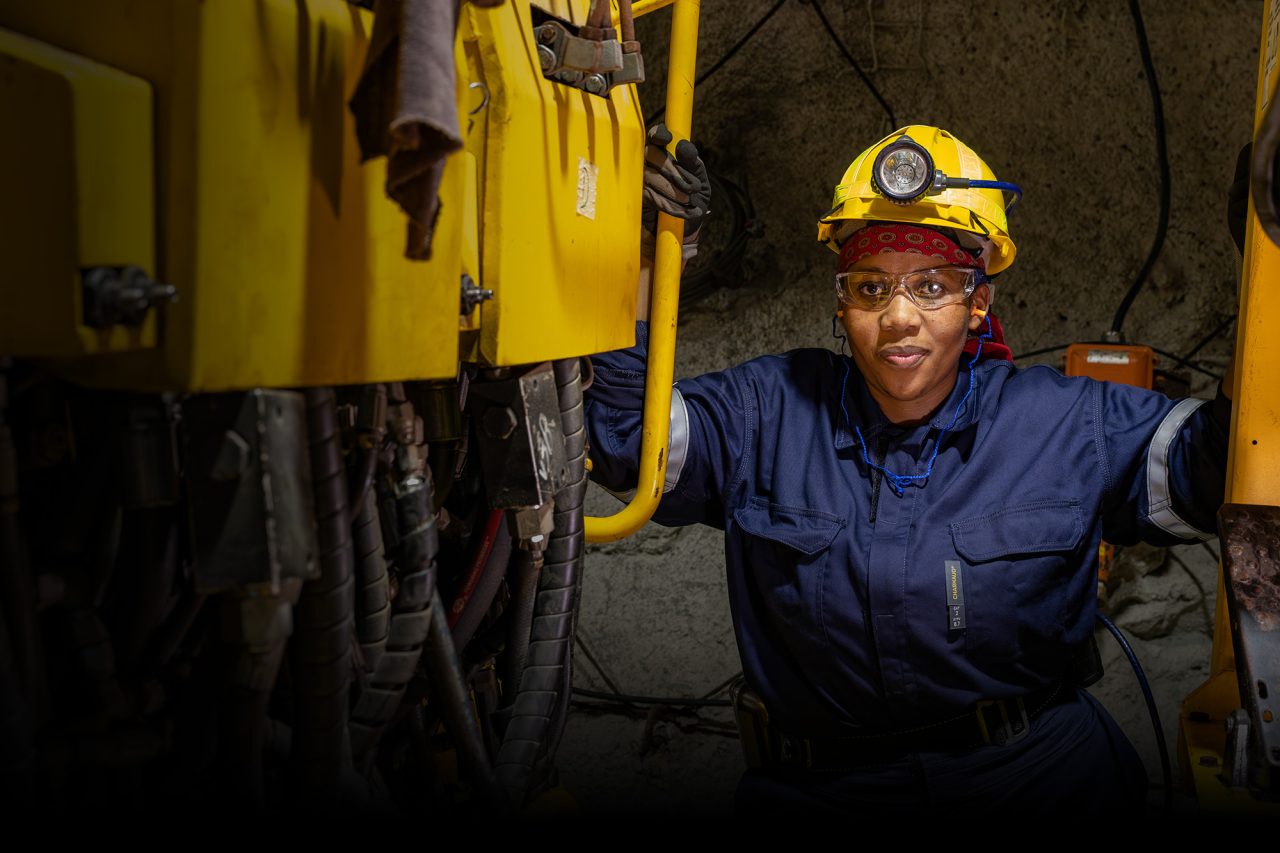
Workplace safety
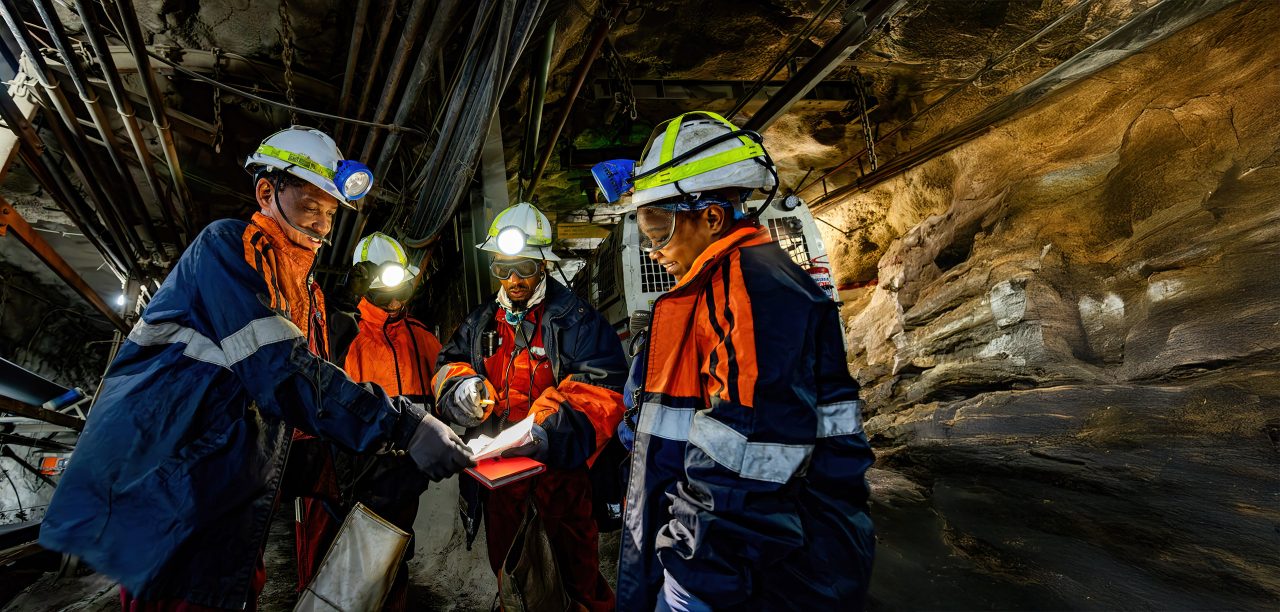
Safety is our number one priority and is entrenched in all elements of the sustainability framework, ensuring that our people and operations are protected as we pursue long-term value.
Standards that influence our approach
Our sustainability approach considers the best practice recommendations, guidelines and frameworks alongside.
Additionally, Harmony:
- Considers the Organisation for Economic Co-operation and Development’s (OECD) guidelines for responsible investment
- Adopts principles of the International Council on Mining and Metals (ICMM), the UNGC and UN Voluntary Principles on Security and Human Rights in various sustainability policies and position statements (Harmony is not a member or signatory to these organisations)
- Strives to comply with local and international guidelines by adopting tailings management best practice. In South Africa, this includes the South African National Standards (SANS) 10286. Our Australasian operations follow the Australian National Committee of Large Dams (ANCOLD) guidelines, with accepted risk-based deviations and conservative factors or safety. At Hidden Valley, we adopt layered assurance elements of the Global Industry Standard on Tailings Management (GISTM).

While Harmony is not a member of the World Gold Council, our operations conform to the World Gold Council’s Responsible Gold Mining Principles. The conformance was independently assured by RSM South Africa Inc as per the Assurance report.
Harmony has previously reported on climate change aligned with the TCFD reporting framework. Harmony is in the process of transitioning its sustainability-related disclosures, to align with the ISSB’s new standards.
We submit an annual performance report to CDP Carbon and Water to help manage climate change and water-related risks and opportunities across our operating countries

As a member of the Minerals Council South Africa, we subscribe to its membership compact, a mandatory code of ethical business conduct, and its guiding principles.
We are committed to contributing to the UN SDGs, recognising our role in helping address broader sustainability challenges and opportunities. The SDGs are considered in our approach, with targeted actions where we can have impact.
See Contributing to the SDGs for a snapshot of our contributions.
Connecting strategic risks and opportunities across sustainability imperatives
Risks and opportunities often span multiple sustainability imperatives, highlighting the interconnected and holistic nature of environmental, social, governance, and business / operational dimensions while underscoring the need for integrated responses.