
Mining activities can influence the local amenity through changes to air environment. While the remote settings of our operations and largely underground mining
footprint help to limit off-site impacts, we remain committed to monitoring and managing these aspects while protecting the environment and community health
and wellbeing.
Governance and oversight
Our environmental approvals and/or guidelines include the limits we must comply with, which typically reflect health-based guidelines. Our air quality monitoring programmes measure primary atmospheric emissions such as sulphur oxides (SO2), nitrous oxides (NOx), PM and dust fallout to comply with regulations and applicable licences and permits.
Harmony’s South African operations have dust management plans that we update regularly. We also review progress on implementing mitigation measures on an ongoing basis and conduct monthly dust fallout monitoring to comply with regulations and address concerns. We have a formal complaints system to address public concerns with immediate investigation and corrective action.
Harmony’s air emissions management is guided by a group-wide standard designed to reduce environmental impact. Our site construction and operational environmental management plans include the requirements to comply with specific host-country policies, regulations and conditions. Our South African operations also apply the American Standard for Testing and Materials method (D1739) in dust fallout monitoring and mitigation.
Regional executives, supported by regional environment and sustainability teams, are accountable for effective air emissions management. Site management teams are responsible for daily emissions monitoring.
FY25 performance in South Africa
Particulate matter emissions
19.4 tonnes
Particulate matter intensity (tonnes/tonne treated)
0.0004
SO2 emissions
12.32 tonnes
SO2 emission intensity (tonnes/tonne treated)
0.000261
NO× emissions
27.32 tonnes
No× emission intensity (tonnes/tonne treated)
0.0006

Our strategy: Protecting air quality in our host communities
Our air quality approach mitigates our liability, secures our ongoing licence to operate and safeguards our stakeholder relationships. Our approach is tailored to consider the different air quality and amenity risks facing the regions in which we operate.
Achieving air quality compliance
Our operations must comply with legislation for dust fallout and the allowable limits associated with residential and non-residential areas. We record exceedances as a non-compliance and implement remedial measures.
The regulator in South Africa approved all required annual national atmospheric emission inventory system reports submitted by our operations; with no material exceedances recorded.
At Hidden Valley, we monitor and analyse cumulative dust deposition mean ash content, mean total solids, mean total insoluble matter and mean total soluble matter on a fortnightly basis at Manki Tawa, Upanda and Hikinangowe villages. Cumulative dust remains below compliance limits of 4g/m2/month and consistent with historical trends.
At Eva Copper, we continued building our baseline monitoring dataset in line with our environmental authority, including monthly dust deposition sampling. As site preparatory works progressed, including the site access road, temporary workers’ accommodation facility, process plant laydown area, water supply infrastructure and topsoil, mulch and stockpile areas. We also transitioned into implementation and active monitoring of dust management controls.
Reducing dust and other air pollutants
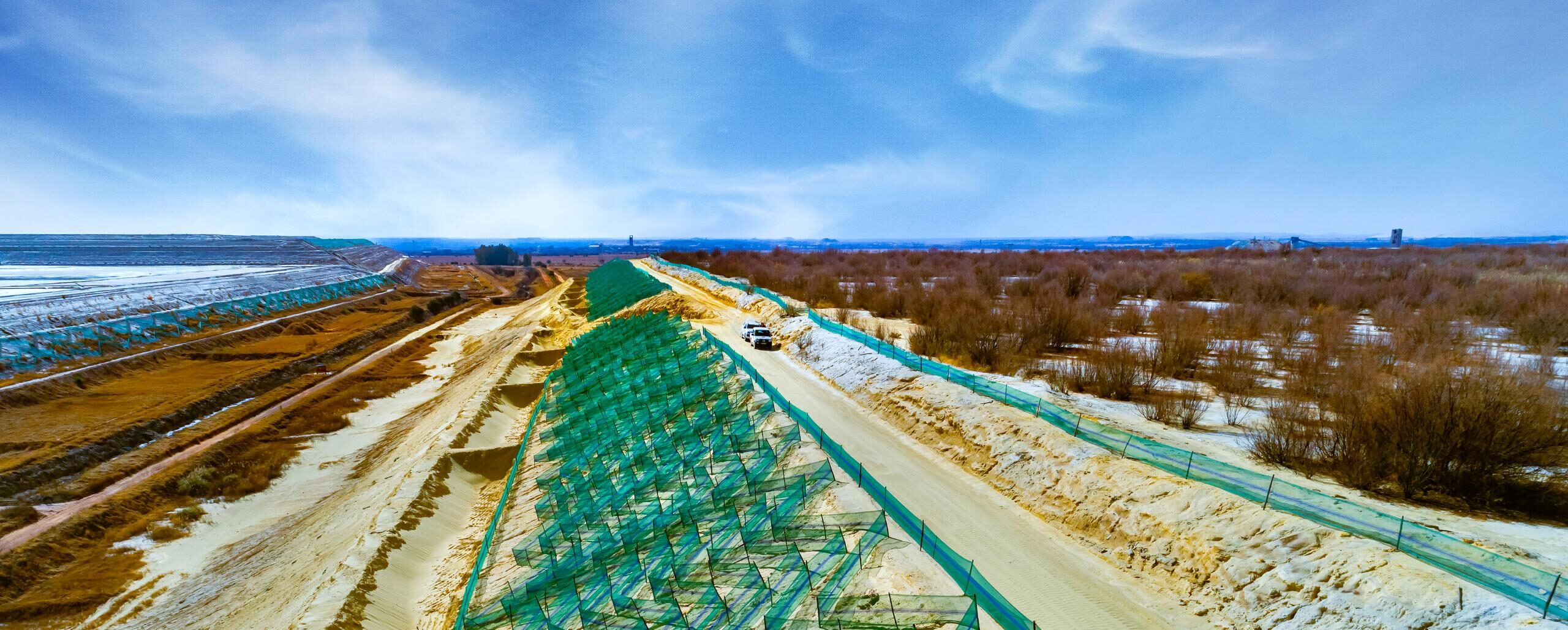
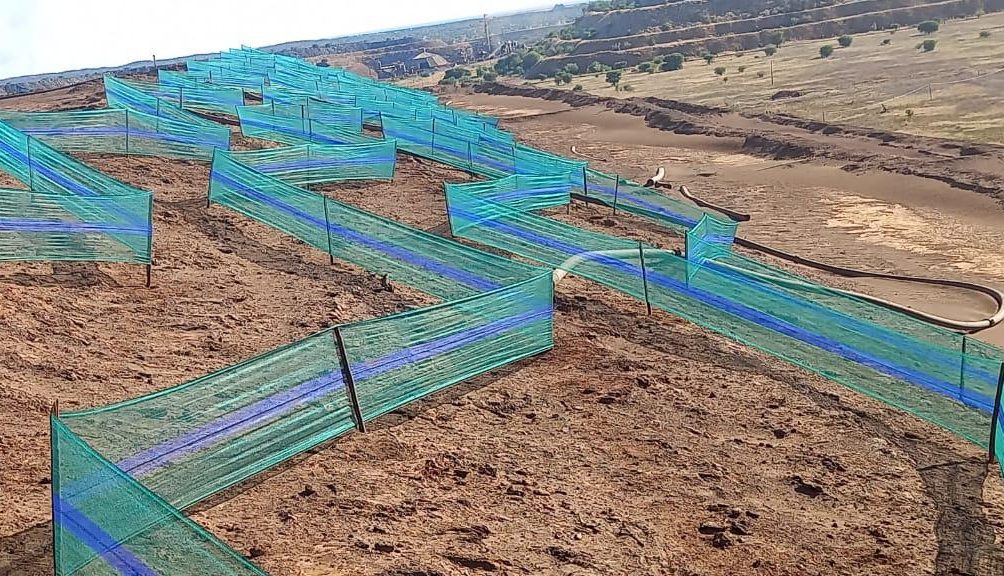
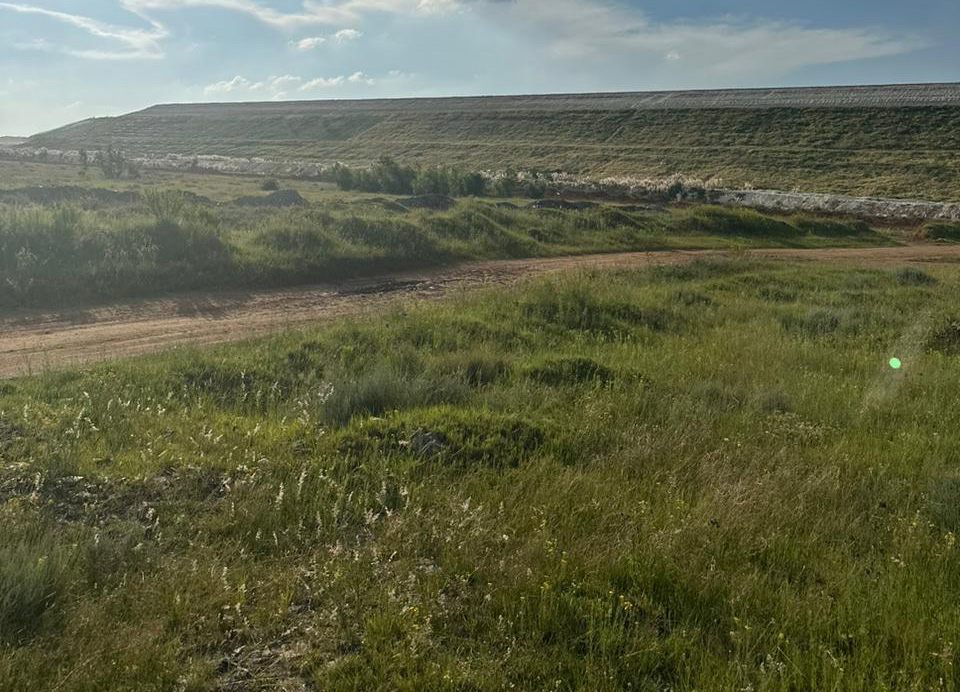
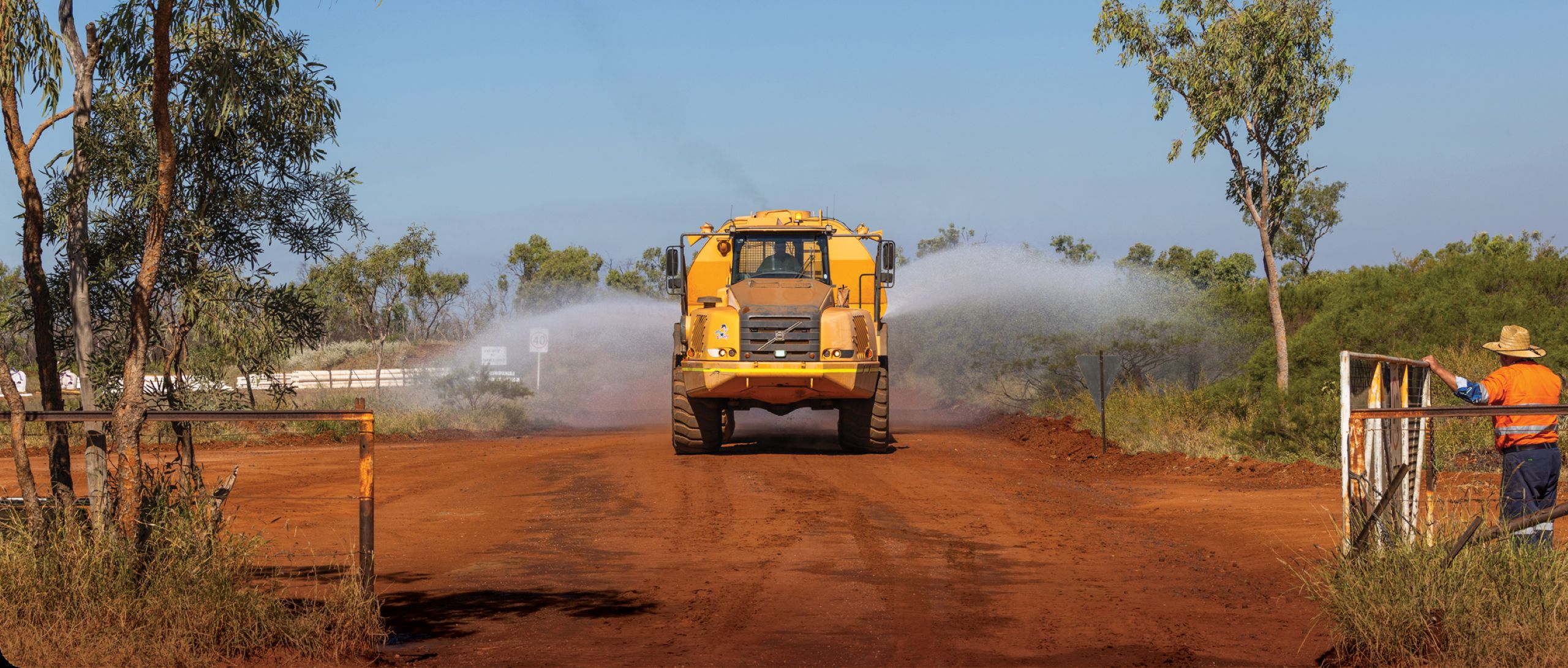
We implement innovative solutions to reduce particulate matter (PM) emissions and support the regeneration of ambient air quality across our metallurgical and mining operations. These measures include the use of emission abatement equipment such as wet scrubbers and baghouses, water and chemical suppression, netting, the establishment of grass, trees and other rehabilitative vegetation, as well as controlled maintenance activities during windy seasons.
In FY25:
Dust netting installed
30 000m
on dormant TSFs in the Free State
Trees planted
25 000
for dust mitigation in the Free State
slopes rehabilitated
10ha
at Doornkop to reduce dust fallout
The climatic conditions in Papua New Guinea reduce the dispersion of air pollutants, with ash content considered the most representative indicator of mine-derived dust deposition.
Explore related Case studies
Further information
Additional performance-related discussions and data may be found in these publications.