
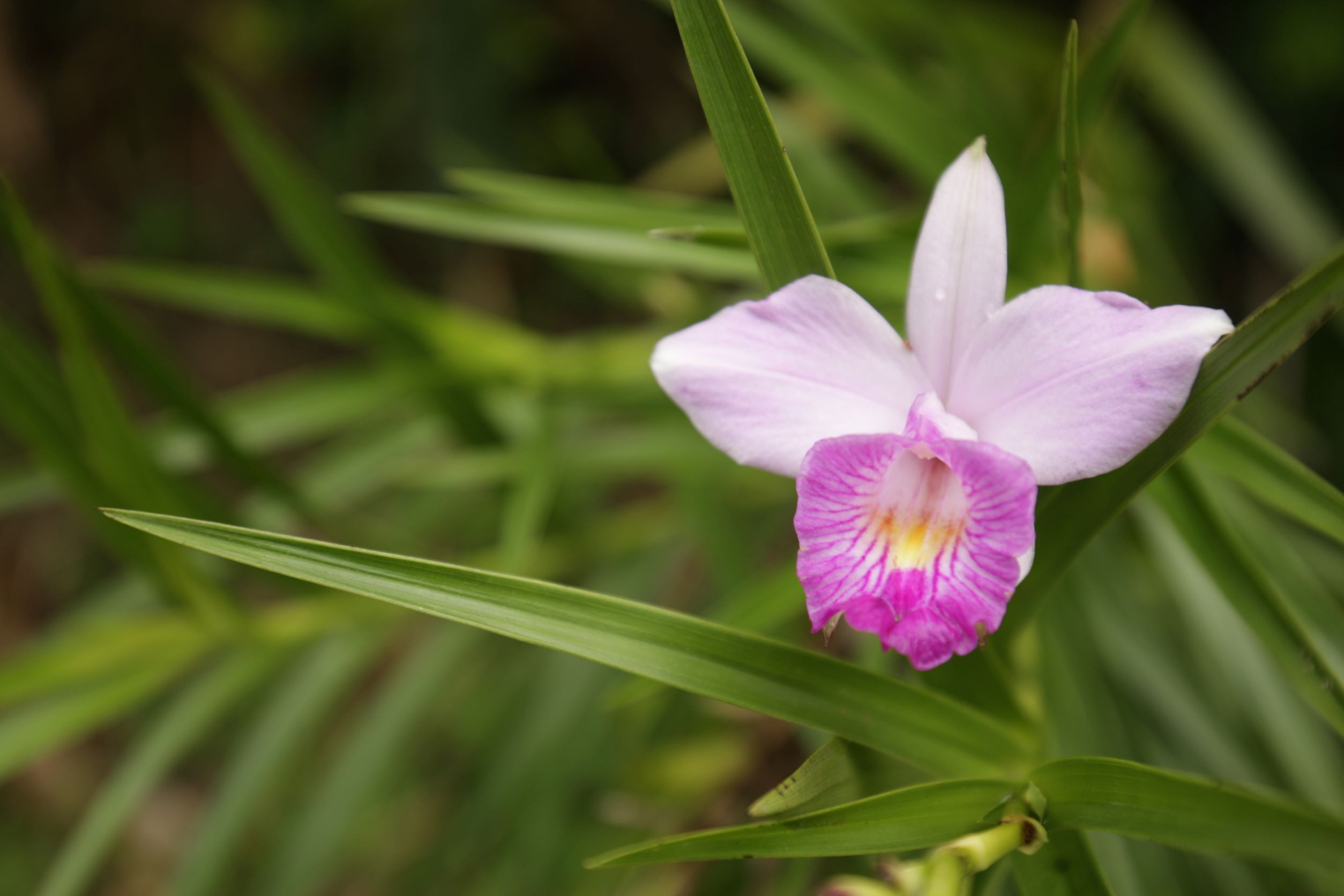
Mining interacts closely with the natural environment. Harmony is committed to protecting and restoring biodiversity by avoiding sensitive areas, minimising impacts during operations, and rehabilitating land to support healthy, resilient ecosystems long after mining ends.
Governance and oversight
Our long-life sites implement biodiversity management plans through mine closure and environmental management plans. We conduct regular assessments for new and existing projects that have the potential to negatively impact ecological systems. Regulators approve our environmental management and closure plans, which include measures for biodiversity. Harmony tracks compliance with permits, authorisations and environmental management and closure plans.
Our sustainability framework, together with our biodiversity and rehabilitation position statement, provides group-wide guidelines on how we approach biodiversity. We comply with all host country legislation and contribute to national biodiversity policy. Host country regulations also establish requirements for offsets, rehabilitation requirements and timeframes, and monitoring and performance criteria.
Regional executives and management oversee the environmental management plans for our mines. Site management teams are responsible for daily issues management and execution of our environmental management plans and rehabilitation and closure programmes.
Related policies
Performance FY25
Rehabilitation Spend
91m
Dryland REgrassing
70.18ha
at 5 rehabilitation sites in South Africa
Invasive species management
1 062ha
cleared at Kusasalethu and Mponeng
Fauna-spotting and Tracking AT EVA COPPER
1 000 hours
spent in FY25, over 2000 hours total
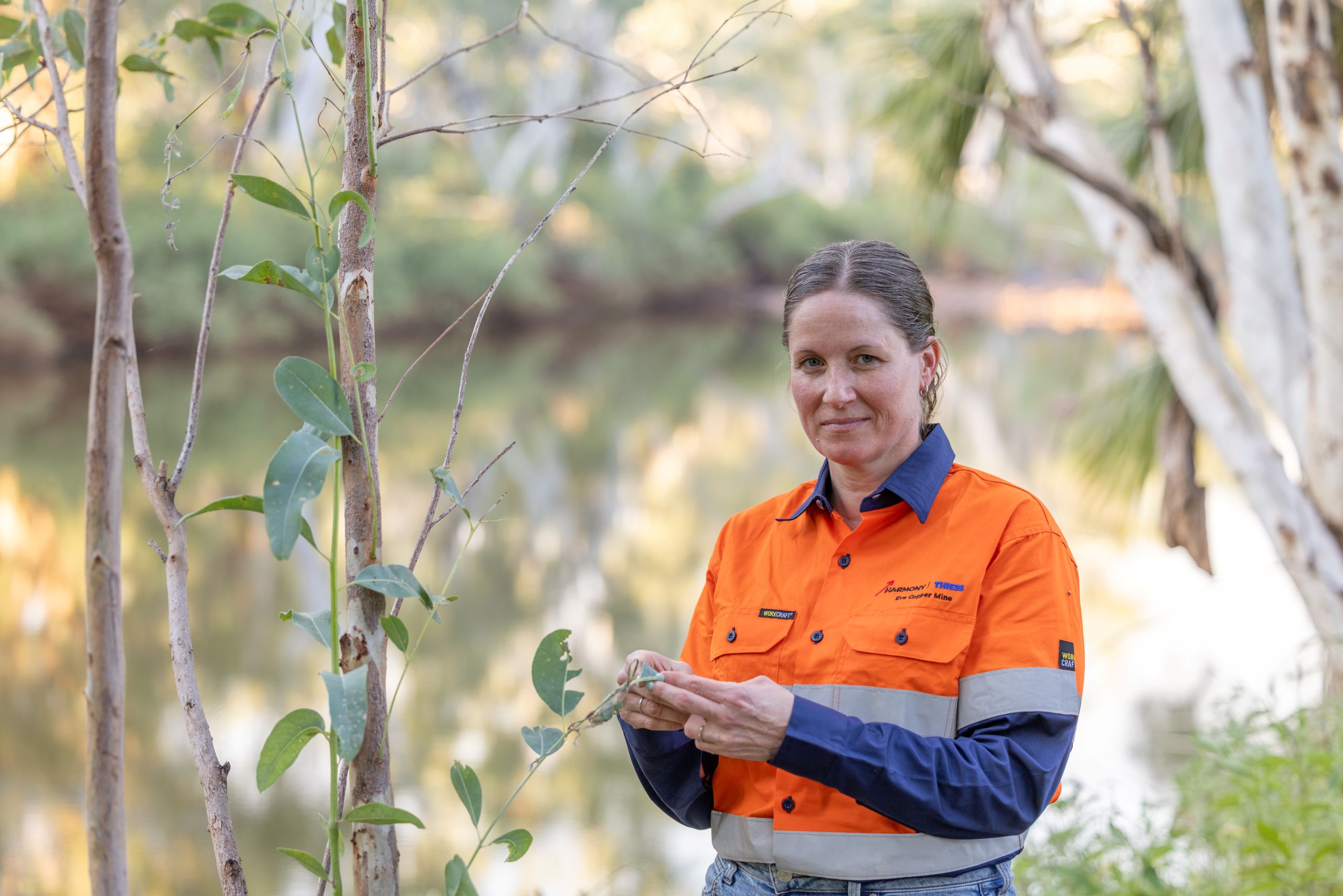
Our strategy: Meaningful biodiversity outcomes to leave a lasting, positive impact
Informed by our Biodiversity and rehabilitation position statement, Harmony’s biodiversity and conservation programme seeks to adopt good practice, support informed decision making and contribute to the recovery or enhancement of local ecosystems in the long term.
Protecting high biodiversity values
Protecting biodiversity is central to sustainable land use and helps address climate change, reduce pollution and restore land. In our project planning, we seek to avoid or “design out” areas of high biodiversity or environmental sensitivity. We do not conduct operations in declared world heritage sites, national parks or protected areas.
In South Africa, we operate in areas of varied biodiversity. These include our Free State operations in the endangered Vaal-Vet sandy conservation area and the western Free State clay grassland ecosystem. Moab Khotsong, next to the Vaal River in the North West, is also in an area with endangered, vulnerable ecosystems.
With the largest remaining tract of primary forest in the Asia-Pacific area and the third-largest block of intact tropical forest, Papua New Guinea is home to more than 5% of the world’s plant and animal species. Approximately two-thirds of the animals and plants are endemic. During the 2025 biodiversity assessment, no IUCN threatened species, and no new-to-science or otherwise scientifically undescribed species, were recorded on the Hidden Valley mining lease.
Across the Wafi-Golpu project ecological study area, which encompassed the mine area, infrastructure corridor and DSTP outfall location, 15 species of conservation significance were recorded in the wild and a further three NT species were considered to potentially or likely occur.
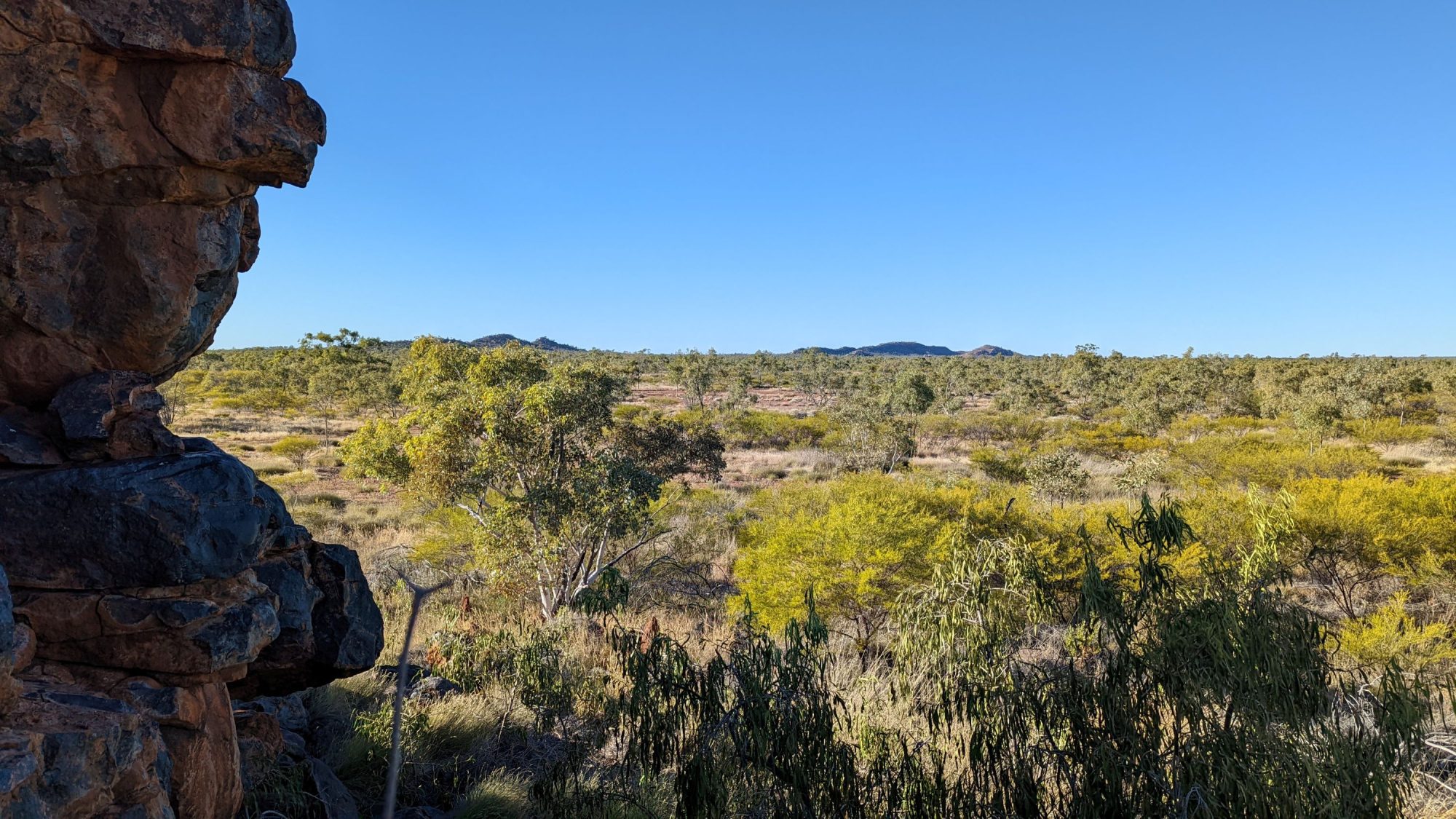
In Australia, the Knapdale Range on the Eva Copper site provides a habitat for significant mammal and reptile species, including the vulnerable (Queensland level) purple-necked rock wallaby. Other mammal and bird species of Queensland conservation significance that are known or may occur at the project site.
For details on the significant flora and fauna species found within our licensed mining areas see the 2025 sustainability data tables.

The impacts of illegal mining on biodiversity
Deforestation, water contamination and soil erosion are common consequences of illegal mining, leading to the loss of plant and animal species.
Implementing biodiversity protection initiatives
Our environmental management approach includes active biodiversity measures, such as invasive species management and fauna spotter-catcher protocols, alongside ongoing monitoring programmes, including air quality, water and noise to manage exploration and operational impacts. Our conditions of approval outline specific requirements for each site.
Across our portfolio, the diversity of ecosystem conditions (from highly disturbed areas to largely intact natural environments with ecologically sensitive features) and the variety of land-ownership models (including Harmony-owned land, third-party leases, customary tenure and areas with recognised native title interests) create context-specific risks, opportunities, engagement and collaboration requirements. These factors shape the development of region-specific biodiversity roadmaps and support the articulation of clear, enterprise-wide ambitions for biodiversity.
Revegetating land alongside mining
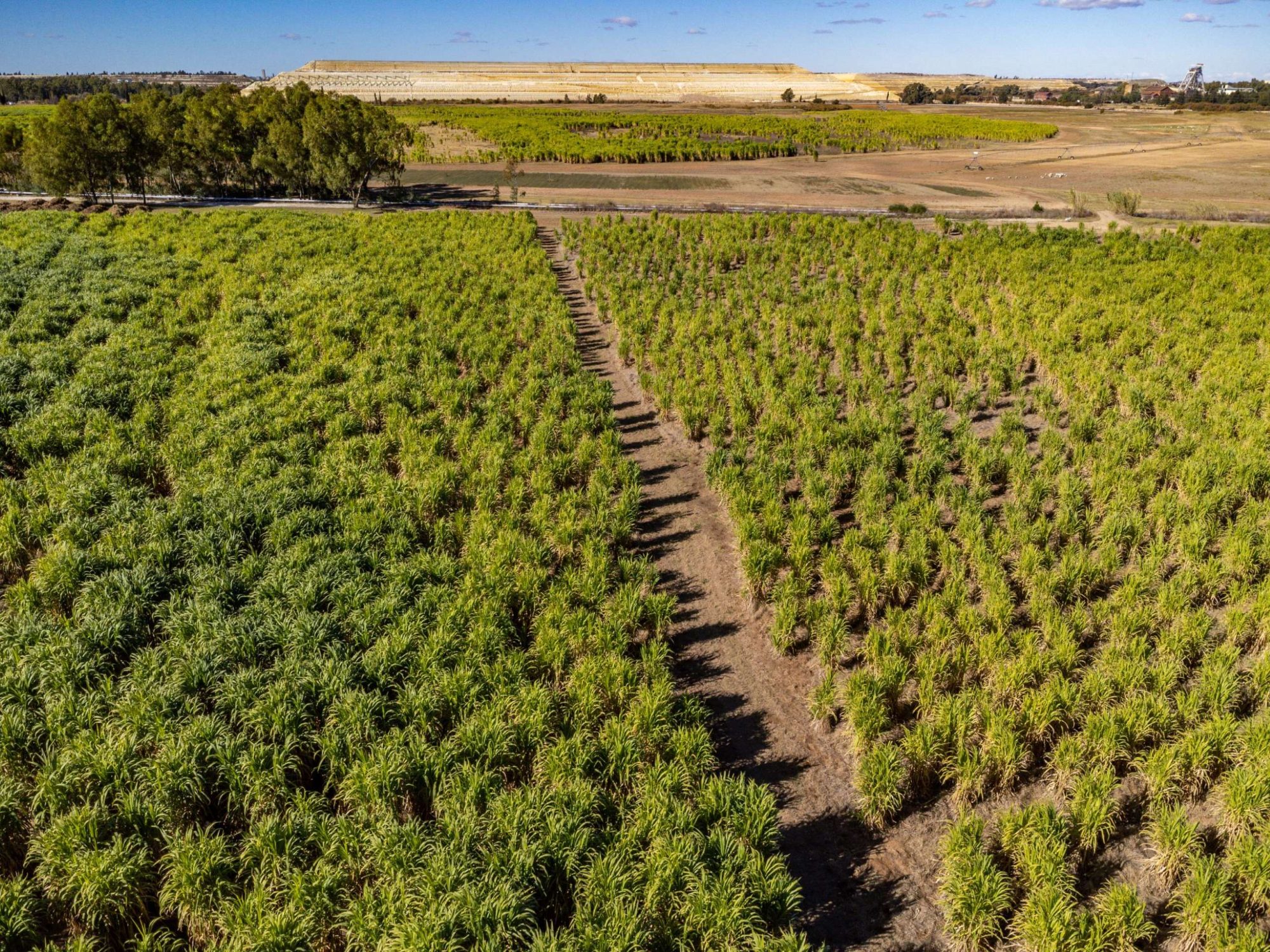
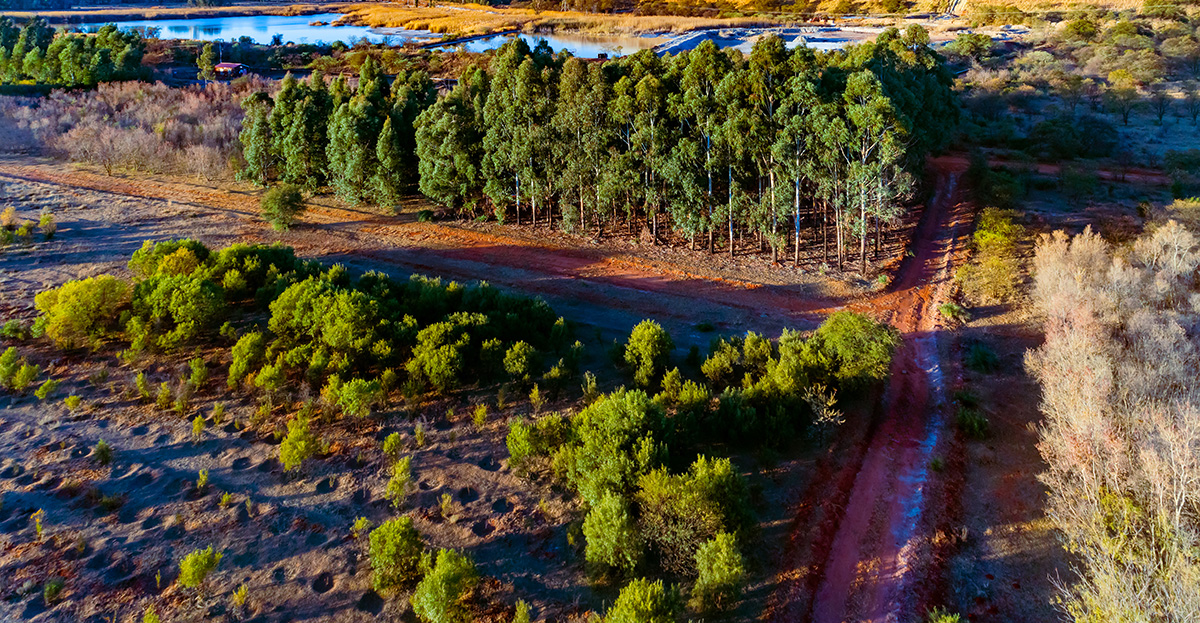
We implement progressive/concurrent rehabilitation. Rehabilitating and replanting disturbed land encourage the return of plant and animal life, reduces soil erosion and dust fallout while contributing to our long-term decarbonisation goals.
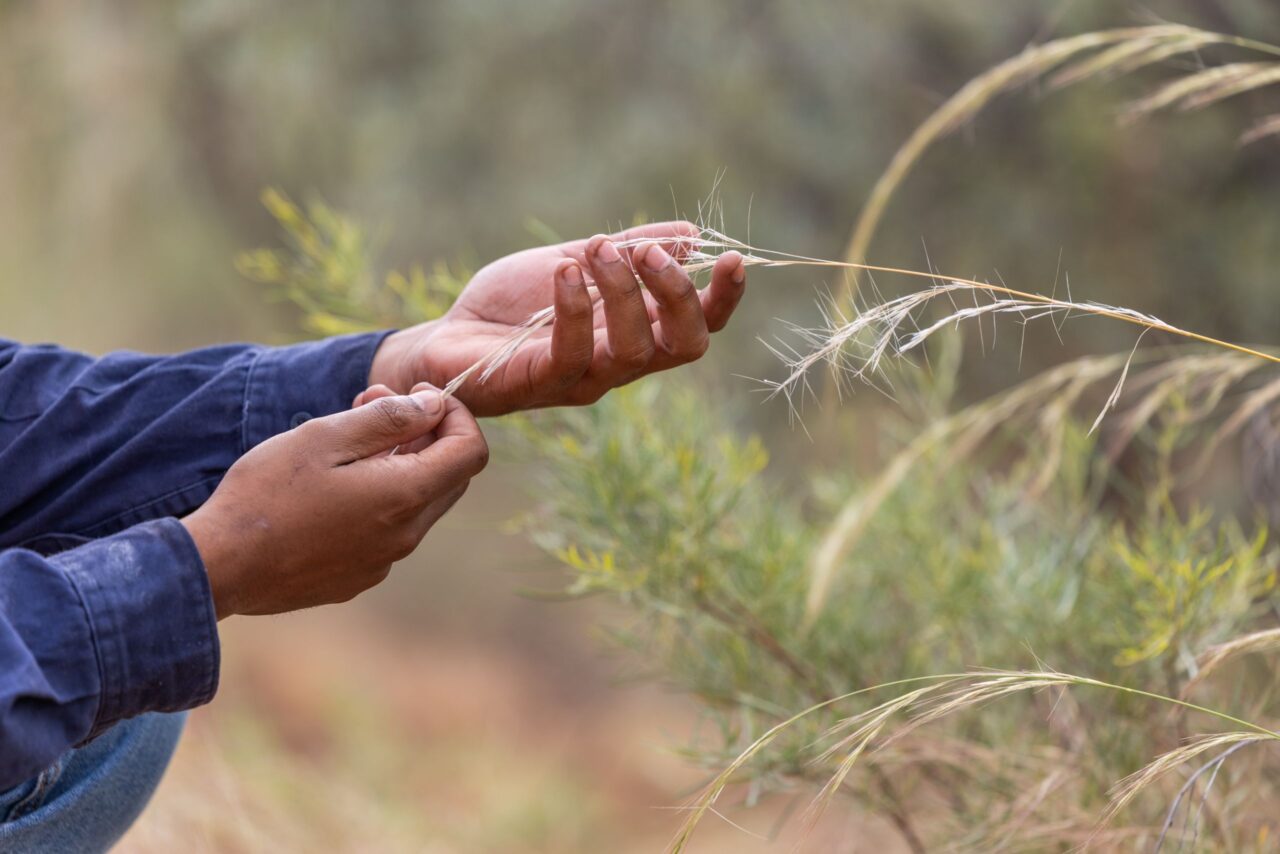
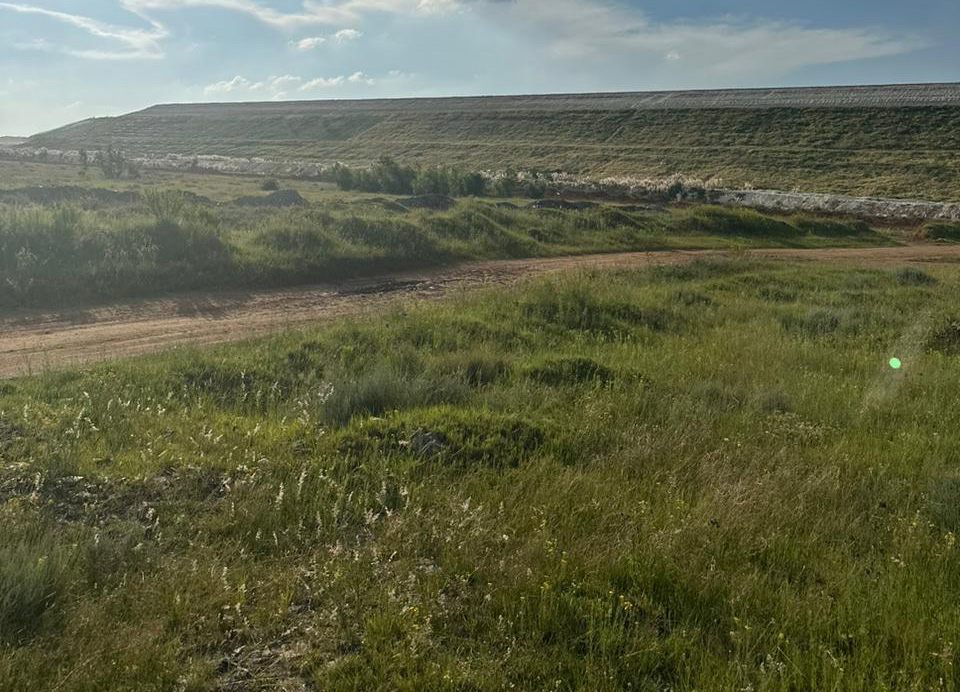
We conduct assessments on the viability of different plant species, including the growth rates and carbon absorption potential, to provide insights for increasing the impact of planting. In FY25, we completed dryland grassing of five rehabilitation sites covering 70.18ha in South Africa.
At Hidden Valley, where elevation is high (2 600m above sea level) and plant growth rates are slow, species selection is critical for successful revegetation. Nurseries are located at different elevations facilitate the study of plant growth under varying conditions and soil types.
Group-wide biodiversity footprint assessment
The Endangered Wildlife Trust has completed a biodiversity footprint assessment of Harmony’s assets. The assessment has enhanced our understanding of the current and future impacts of our growth and will shape the development of region-specific biodiversity roadmaps.
Delivering meaningful biodiversity outcomes after mining
In our closure planning, we seek to support resilient ecosystems post mining. This includes stabilised landforms using locally appropriate native species that are complementary to selected post-mining land uses. We are assessing the current and future impacts of our company’s growth to inform roadmaps to enhance biodiversity outcomes.
We demolish, decommission and seal shafts while rehabilitating broader footprints (former plants and ancillary service infrastructure), where possible. These activities prevent further environmental degradation and protect host communities from criminal activities associated with illegal mining.
Closure planning studies at Hidden Valley are focused on improving response strategies for biophysical, decommissioning and socio-economic risks while for Eva Copper, engagement with the Queensland Government, advancing us towards regulatory approval of the progressive rehabilitation and closure plan.
Collaboration and partnerships
Our biodiversity management efforts benefit from and support work by other stakeholders, including NGOs, communities and government departments.
In South Africa, Harmony, in conjunction with the Endangered Wildlife Trust and other biodiversity specialists, is conducting assessments aimed at determining the population density of a certain vulnerable species while working with surrounding landowners to protecting the species from harmful human interaction; poaching and illegal trafficking.
Explore related Case studies
Further information
Additional performance-related discussions and data may be found in these publications.