
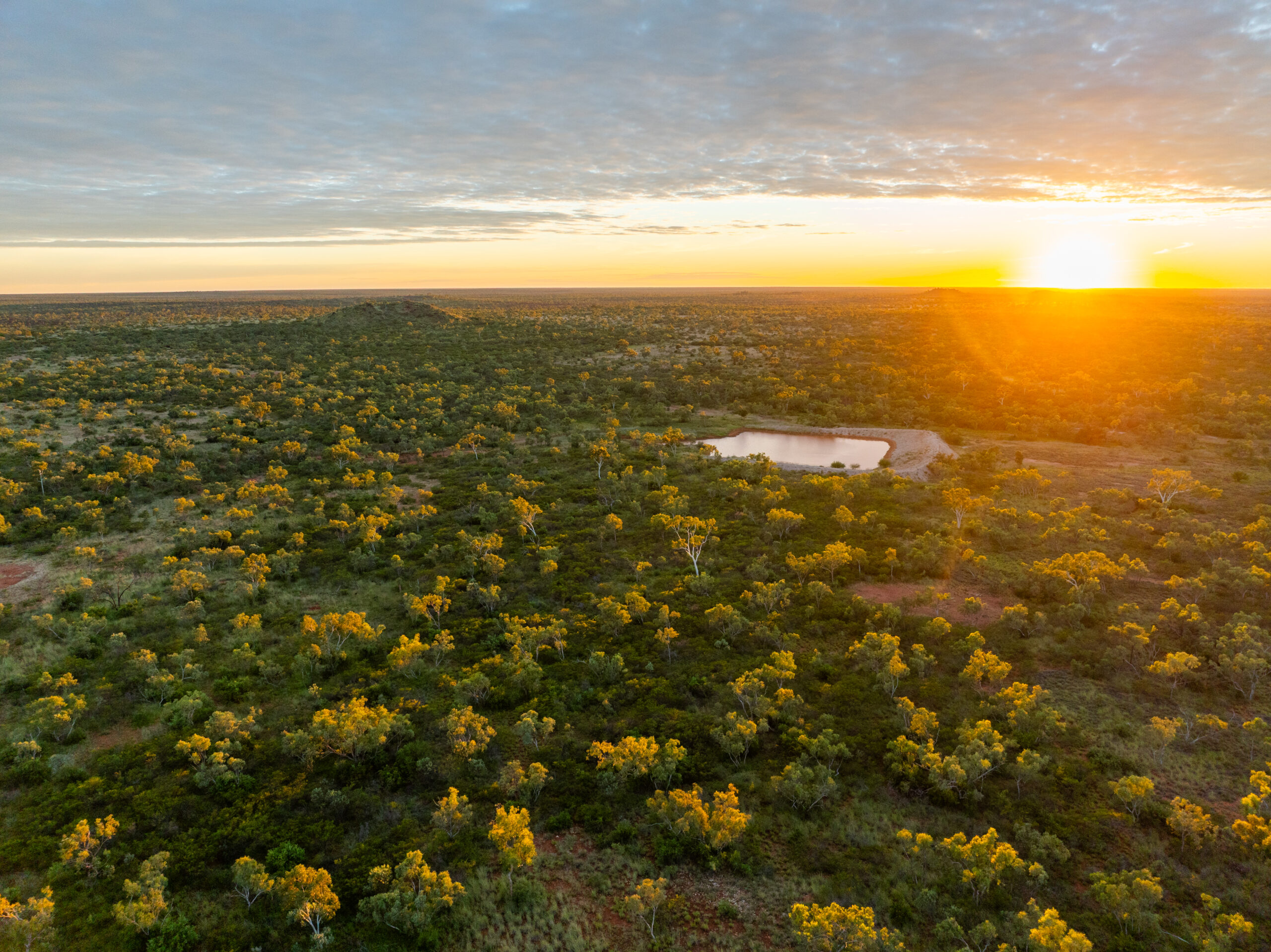
Whether we conduct our activities on land owned by Harmony or by others, we are committed to minimising our impact, progressively rehabilitating where possible, respecting the land’s environmental and cultural value, and managing closure responsibly.
Governance and oversight
Through site-based reporting with regional oversight, we track performance across our exploration tenements and operational footprint, which includes company-owned and third-party land. Regional functions support site teams to track and respond to land-related commitments, including ongoing consultation with landowners. Monitoring frameworks also include progressive rehabilitation and performance indicators to assess progress against closure objectives and support continuous improvement. Our environmental management plan and monitoring programme include management actions, mitigation measures and monitoring for land management, erosion and sediment control, and rehabilitation.
Land access and mine closure regimes vary, reflecting the legal and policy frameworks of our host countries. We address these regional differences through site-specific planning that responds to local expectations, aligns with international good practice, and is guided by group and regional policies that prioritise regulatory compliance, responsible land stewardship, progressive rehabilitation and closure planning.
Our policies and related standards define requirements that apply through the mine’s lifecycle, from exploration to post-mining. Our mining lease and environment permit conditions set out requirements for rehabilitation and mine closure plan submission and approval. Our mining lease conditions also set out financial assurance requirements for rehabilitation and closure.
Related policies
Performance FY25
Total land managed
367 040ha
Total land impacted
14 887ha
land Rehabilitated
58ha
Rehabilitation Spend
91m
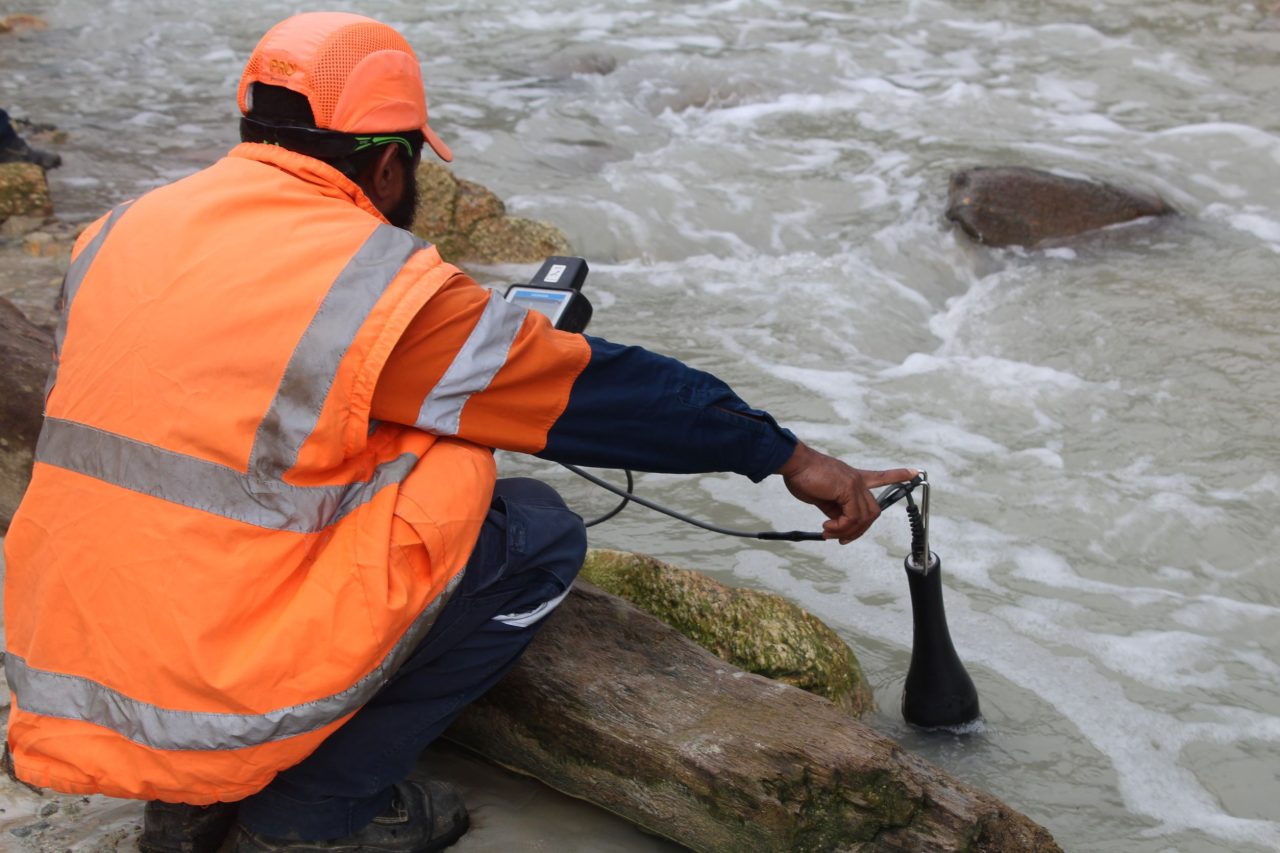
Our strategy: Compliance-driven land management
Land stewardship is essential to our operations, supporting responsible land management, legal compliance and guiding our environmental management practices related to our footprint. We plan carefully across the mining lifecycle, engaging landowners, communities, rehabilitating land and addressing impacts to support positive long-term outcomes for both land use and host communities.
Upholding land access laws and agreements through respectful engagement
We implement responsible land management practices, and conduct our activities in a manner that recognises and is responsive to co-existing land use requirements.
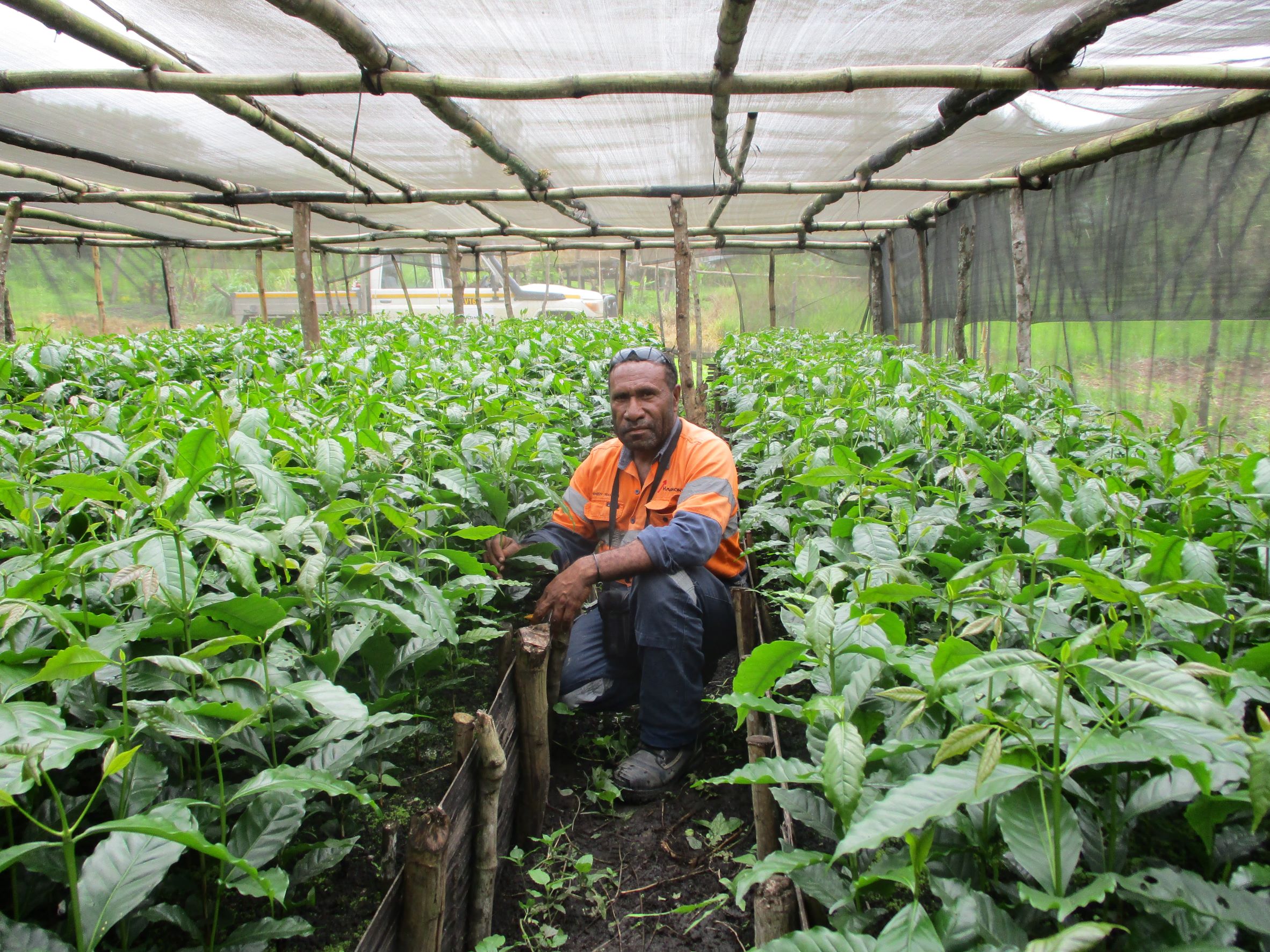
In Papua New Guinea, our assets are situated on customary land owned by indigenous landowners. We have recently reviewed the Hidden Valley MoA, with revisions to environment and closure commitments to reflect updated regulatory requirements. Consultations with landowners on our application to extend the mining lease, including through the public Mine Warden’s hearing process are ongoing.
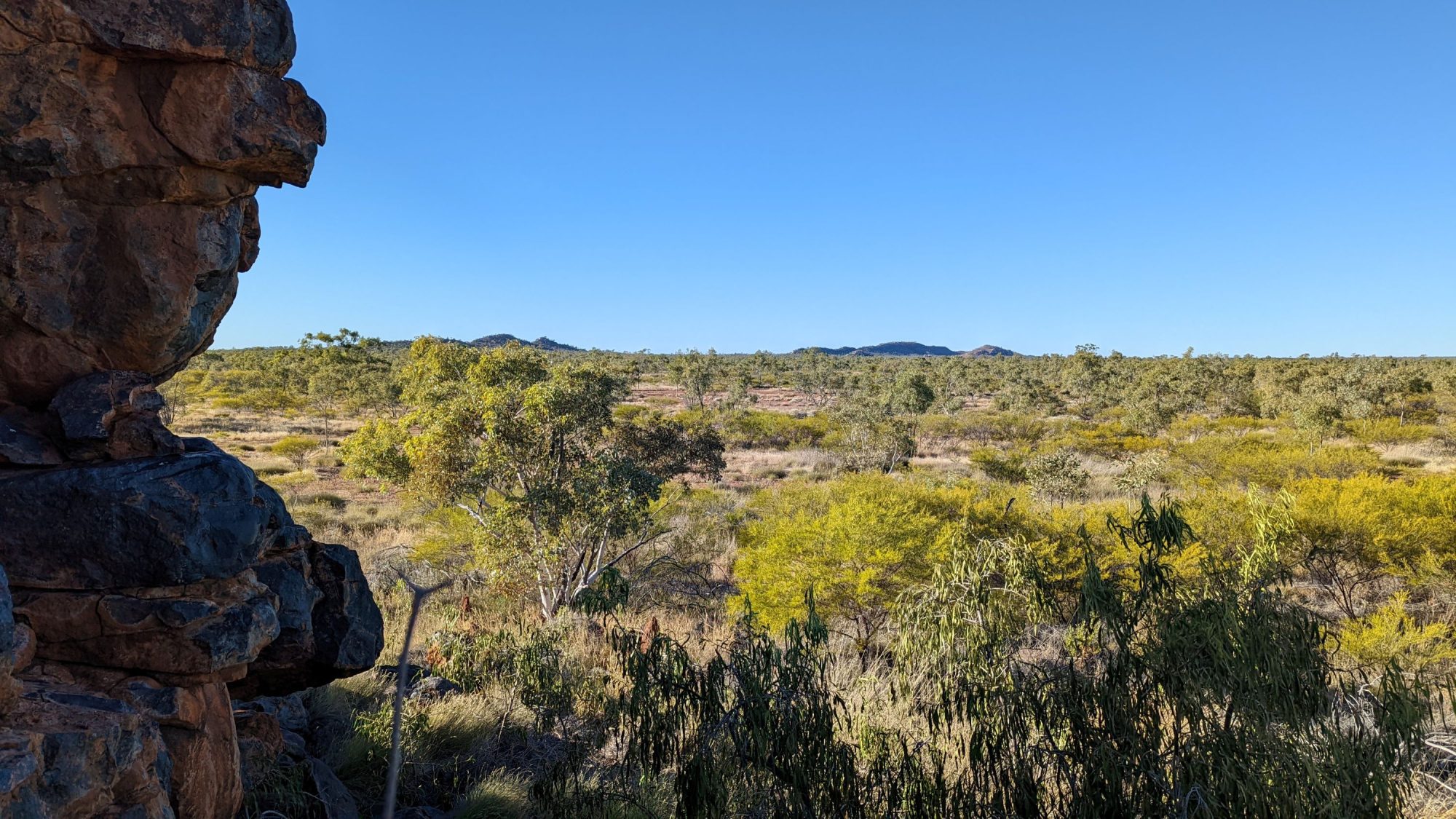
In Australia, our mining leases span commercially operating pastoral leaseholds, where the native title rights and interests of First Nations Australians are also formally recognised. We are working with the Kalkadoon People to conduct cultural heritage clearances of site preparatory works, exploration drilling and other site investigation areas. Pre-lodgement consultations have taken place with pastoral leaseholders and the Kalkadoon People regarding the environmental authority amendment.
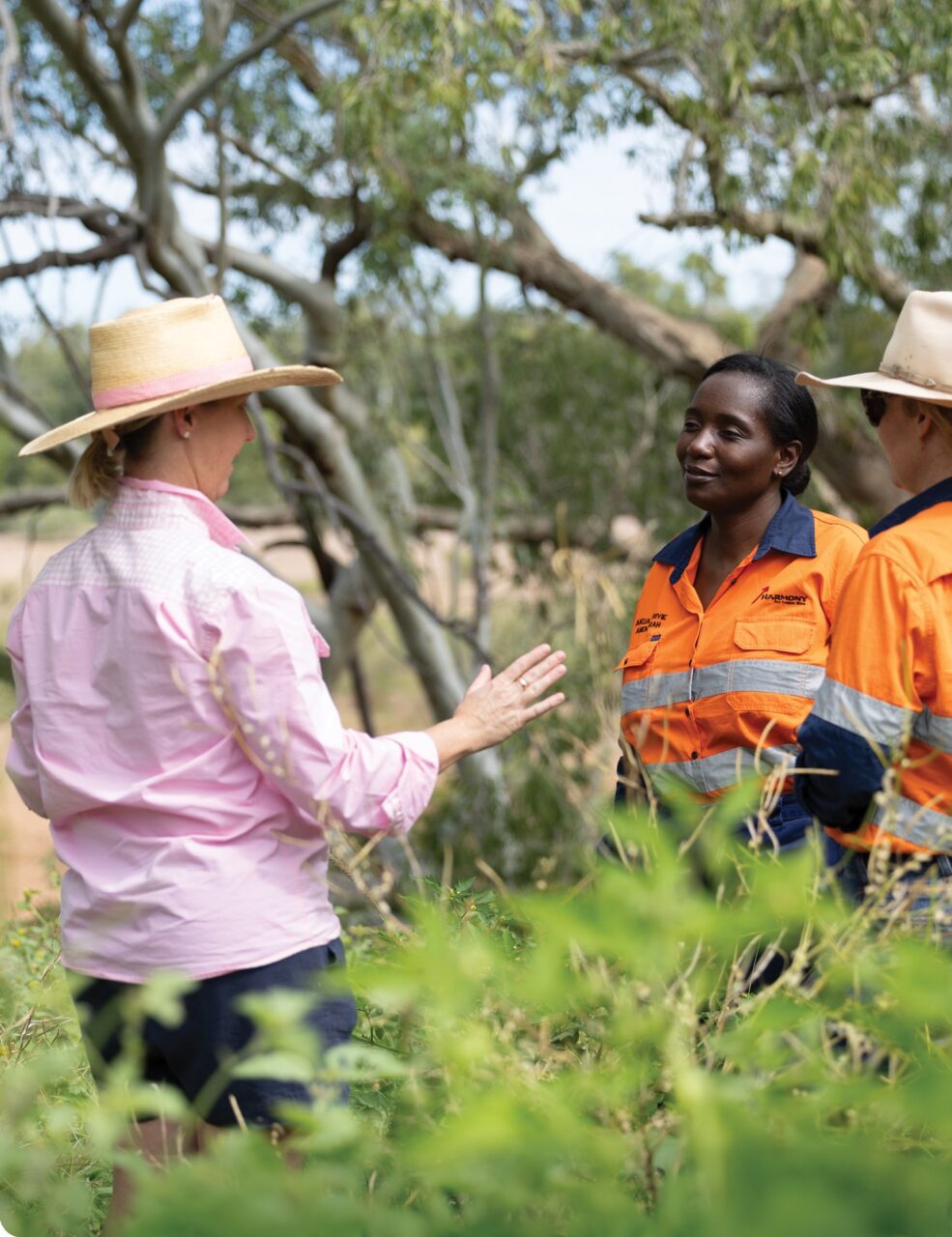
Eva Copper
We are engaging with landowners to meet our land access and agreement commitments, with a focus on transparency and building and maintaining good faith relationships.
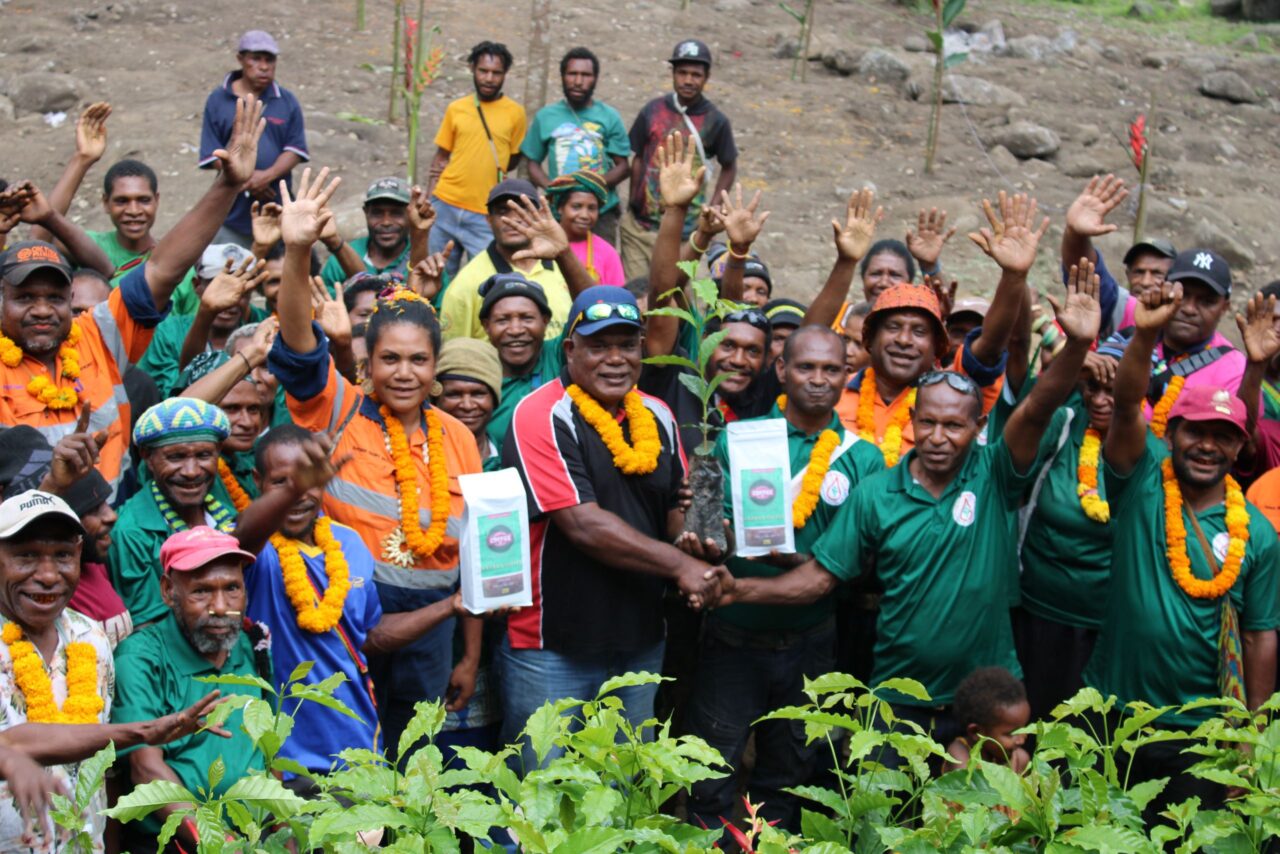
Building a sustainable future in Papua New Guinea
Over the past 20 years, we have invested billions of kinas into Papua New Guinea. This investment reflects our belief in the country’s future and our deep respect for its people.
Managing and rehabilitating our disturbed footprint across the asset lifecycle
We integrate land management considerations during the full lifecycle, from the earliest planning phases through construction and operations and, finally, closure. Through design, we seek to avoid sensitive land areas and locations that pose significant environmental and social risks. During construction and throughout operations, we actively manage land disturbance to minimise unnecessary clearing and footprint expansion. We also consider the broader impact of our activities (such as dust, noise and visual impacts) on surrounding landholders and the community.
We mitigate the risk of illegal mining by demolishing, sealing or rehabilitating decommissioned infrastructure, and construct exclusion bunds to minimise access.
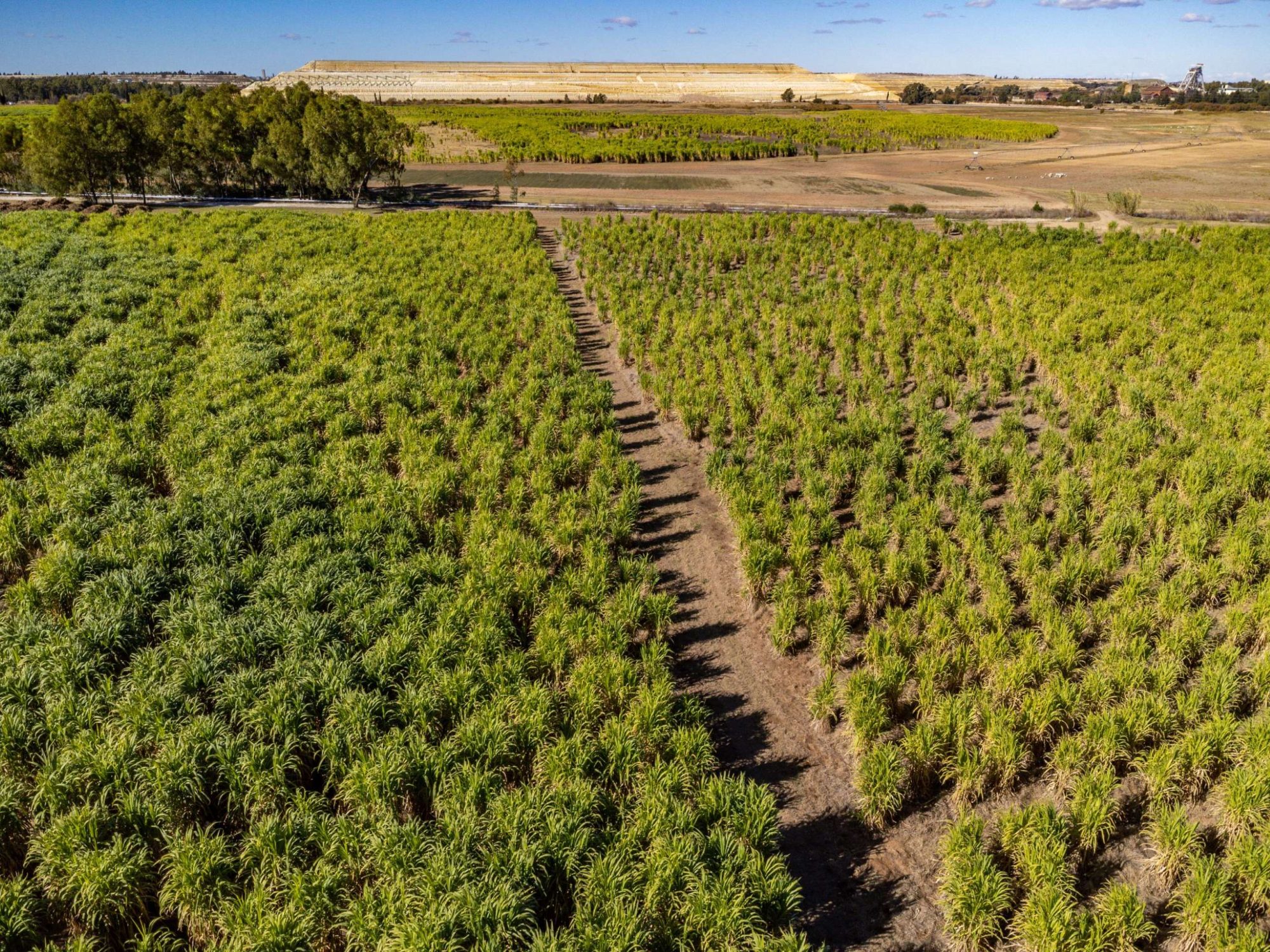
We deliver concurrent and progressive rehabilitation through initiatives that:
- Align with legislative requirements, our approved environmental plans and/or closure plans
- Reflect government closure policy and guidelines
- Consider opportunities for biodiversity protection, climate change adaptation and mitigation, energy management and the green economy in our post-mining land use planning.
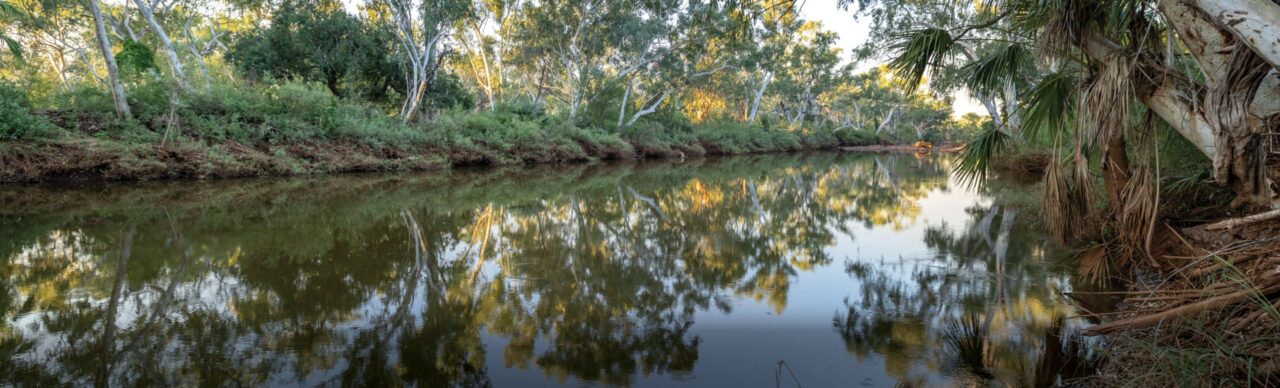
Land management risks and opportunities
In our Sustainability Report 2025, we include a register of land management risks, with remedial actions implemented.
Returning land to a productive state post-mining
We seek to return land to a safe, stable, sustainable and productive state following mining. We determine post-mining land uses as guided by regulatory and government policy requirements, consideration and alignment with landowner aspirations, long-term safety and stability, and opportunities to enhance environmental value.
We also consider the social risks associated with transition and practical measures to promote socio-economic transition. This may include creating opportunities for local suppliers to participate in rehabilitation activities, assessing the potential to repurpose infrastructure, and through our community initiatives that support alternative livelihoods.
Our post-mining land use planning is guided by applicable regulation and policies, takes into account landowner aspirations on third-party land, and is shaped by long-term objectives for environmental safety, stability and ecological value.
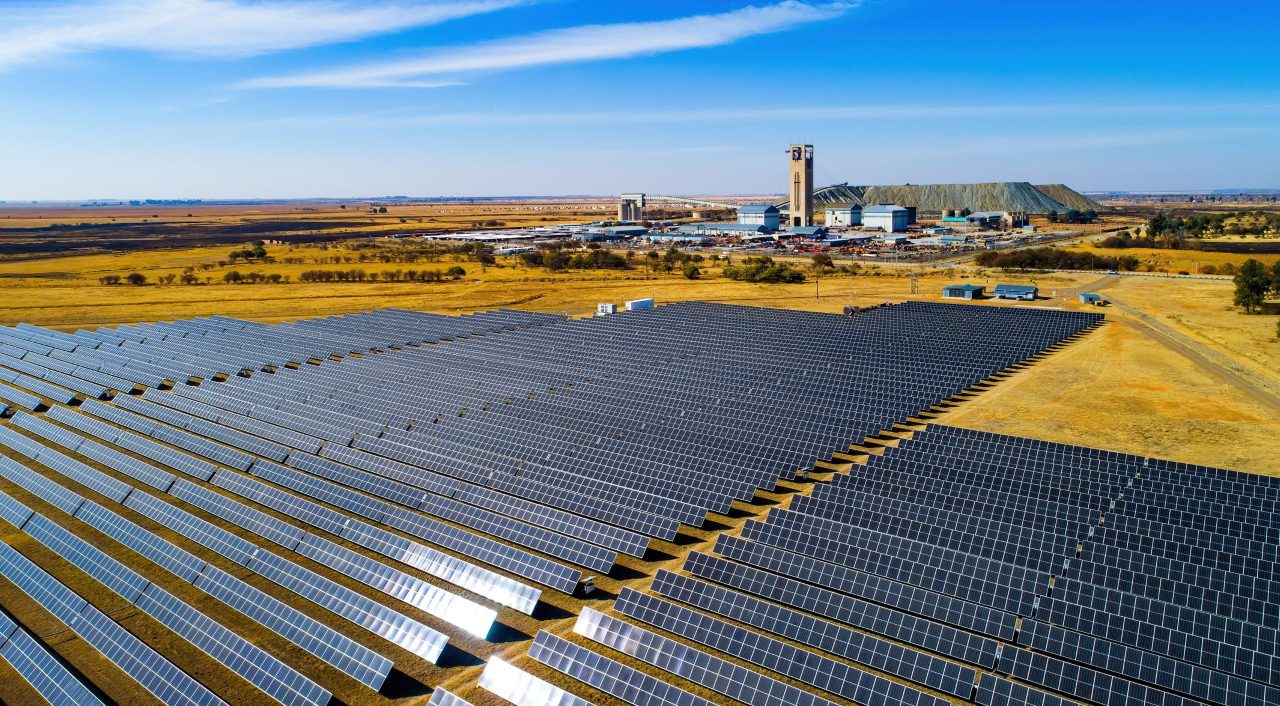
Land usage for renewable energy generation
We are evaluating potential lease agreements for renewable energy projects on our land to contribute towards the energy requirements of our operations and host communities.
Collaboration and partnerships
We collaborate with stakeholders, including regulators, host communities, landowners and suppliers, to build understandings of ongoing activities and intent and design for closure. In South Africa, we engage with the DMPR to exchange knowledge and share best practices on shaft sealing as part of our mine closure approach. We work with local service providers to deliver land rehabilitation and restoration initiatives that also equip host communities with land management skills. In Australasia, we engage with landowners to meet our land access and agreement commitments, with a focus on transparency and building and maintaining good faith relationships.
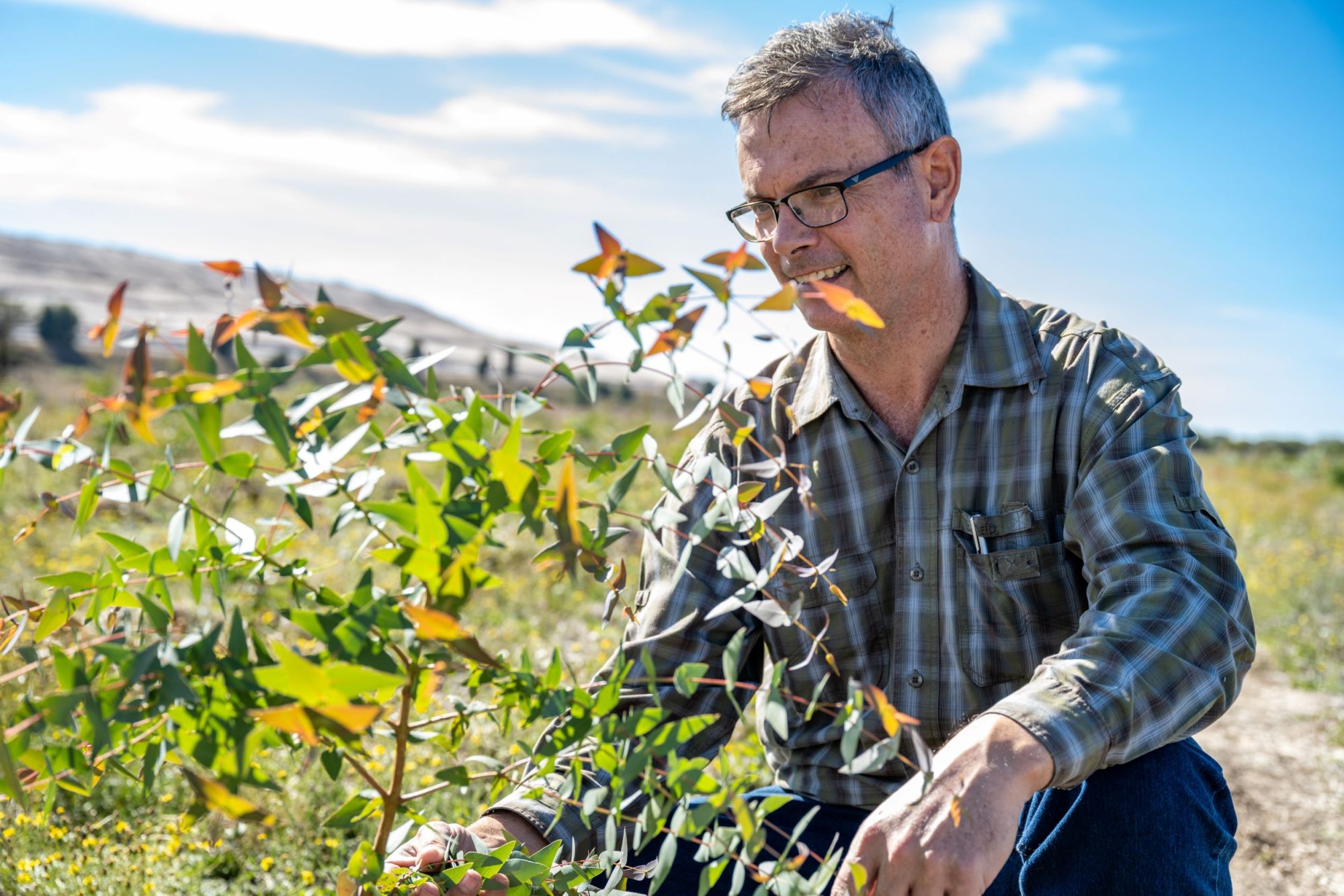
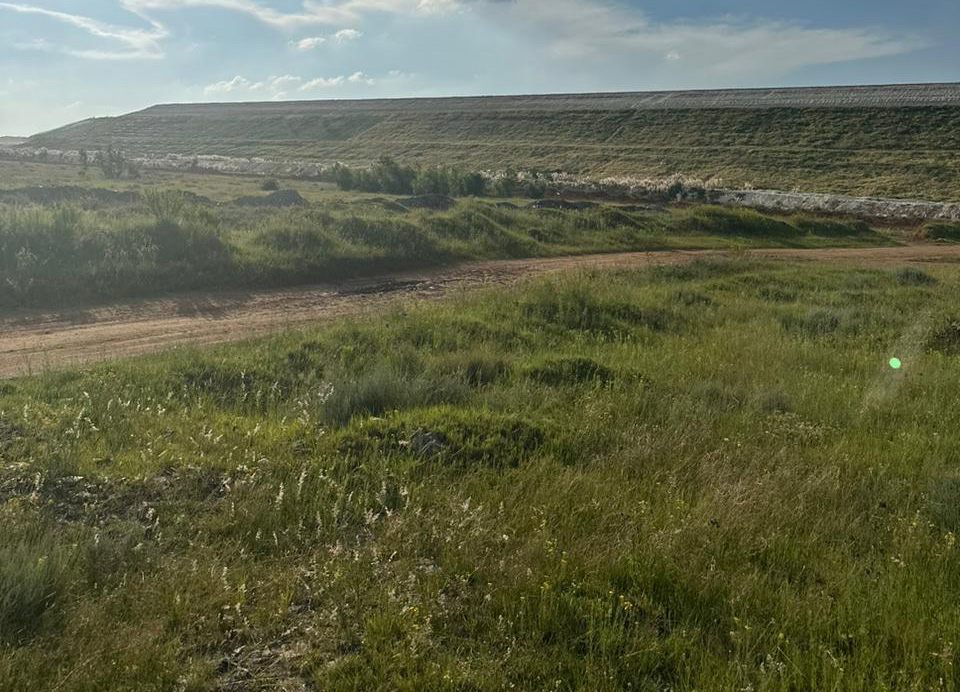
Explore related Case studies
Further information
Additional performance-related discussions and data may be found in these publications.