
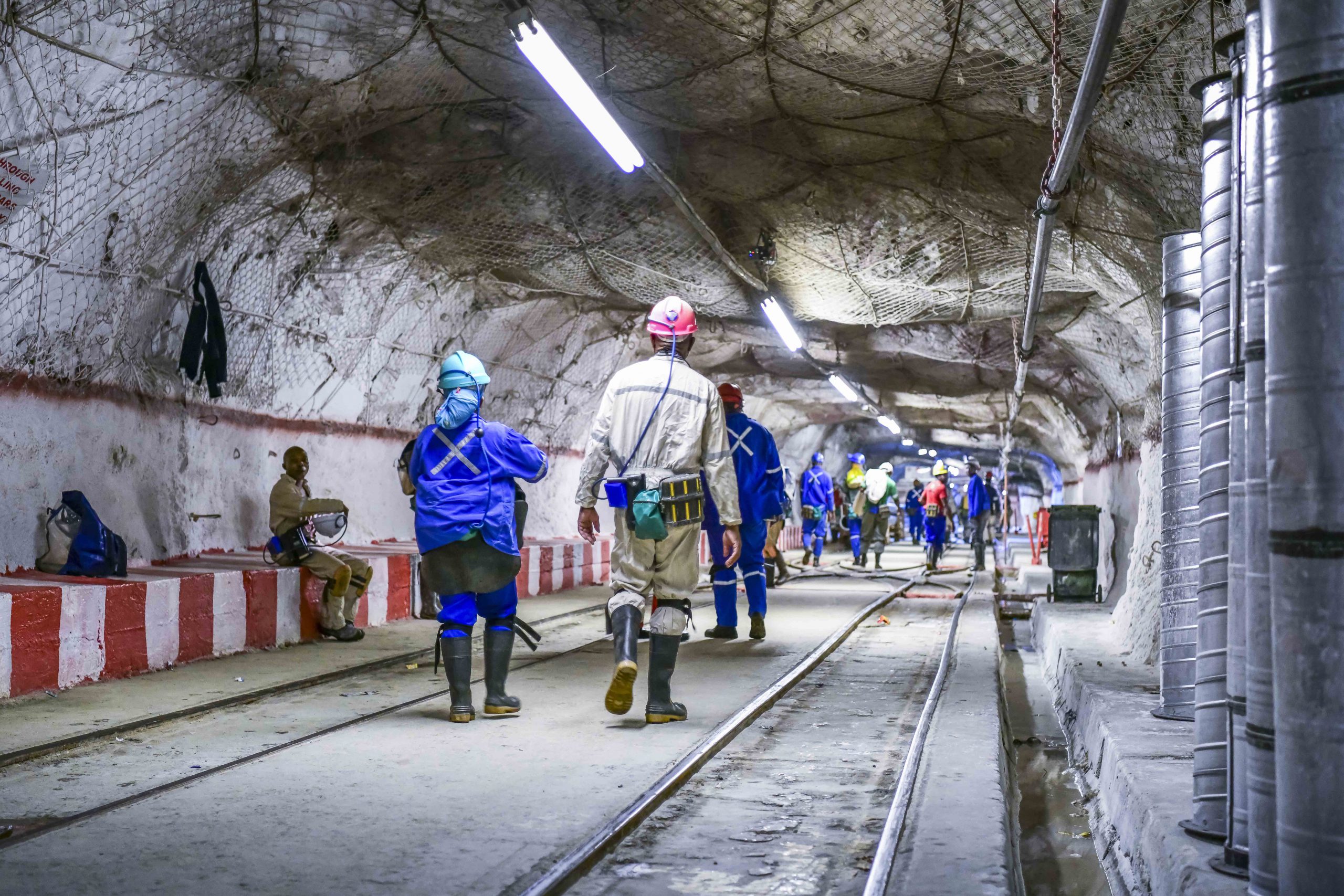
We are transforming the way we address and manage safety to reduce incidents, improve predictability and achieve safe, profitable production. We remain dedicated
to achieving zero harm and fostering a proactive safety culture.
Governance and oversight
We regularly review and update our safety policies and procedures to reflect evolving risks and regulatory requirements. We have established processes for remediating negative safety impacts, including incident investigations, corrective actions and stakeholder engagement. We drive continuous improvement through monitoring performance, external assurance, and responding to findings from internal and external audits.
We share risk-related information through various communication channels to enable structured decision making from board and management level through to operator level. Daily reports on leading indicators provide information about safety, occupational health and production-related workplace risks.
We monitor our compliance with radiation certificates through annual audits. Legally appointed radiation protection officers (RPOs) and permanently employed radiation protection monitors (RPMs) manage Harmony’s radiation certificates of registration (CoRs).
The board and its relevant committees, particularly the social and ethics committee and the audit and risk committee, oversee the governance of safety, with clearly defined roles and responsibilities.
Harmony has formal policy commitments to safety. Our sustainability framework and approach to social stewardship outlines our commitment to occupational health and safety, including adherence to international standards and best practices. Harmony’s safety management system aligns with GRI 403: Occupational Health and Safety 2018, covering hazard identification, risk assessment, incident investigation and worker participation.
Related policies
FY25 performance
Lost-time injury frequency rate
5.39
per million hours worked
Loss-of-life frequency rate
0.11
per million hours worked
Loss of Life
11
Close out of A-Hazard fatal risk control findings
96.5%
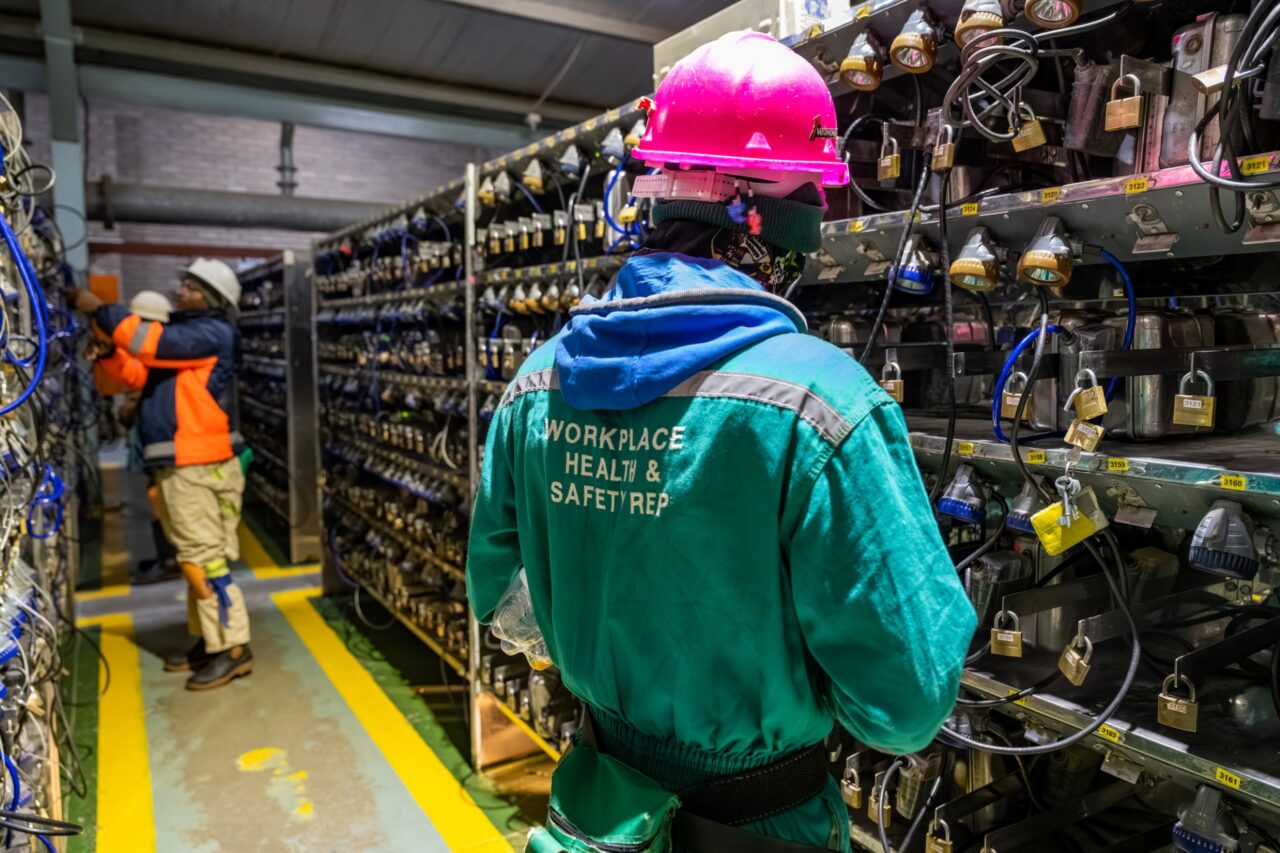
Our strategy: Embedding safety practices in everything we do
Our integrated approach to safety enables continuous improvement by implementing humanistic transformation, proactive risk management, health and wellness initiatives and employee engagement.
Maintaining a proactive and just safety culture to achieve zero harm
We cultivate a proactive safety culture where every Harmonite is empowered to make safe decisions by:
- Creating a proactive safety mindset that is deeply embedded in our work routines and decisions
- Empowering middle managers and supervisors by equipping them with the tools, authority and confidence to lead their teams towards success
- Fostering a just culture where discipline, accountability and consequence at every level identify significant unwanted events
- Moving beyond compliance to a culture of care and continuous improvement where we learn from and prevent accidents.
This commitment to a just culture ultimately leads to improved organisational performance and a more resilient workforce, capable of adapting to and overcoming challenges.
- Our proactive safety culture is further enabled by an organisational effectiveness improvement discipline, which provides thought leadership on culture transformation from a humanistic perspective through:
- Organisational culture improvement
- An employee value proposition
- Operational improvement and effectiveness.
By aligning behaviour with safety standards and remaining vigilant to the wellbeing of colleagues, every employee contributes to a culture where safety is not just a priority, it is a collective commitment.
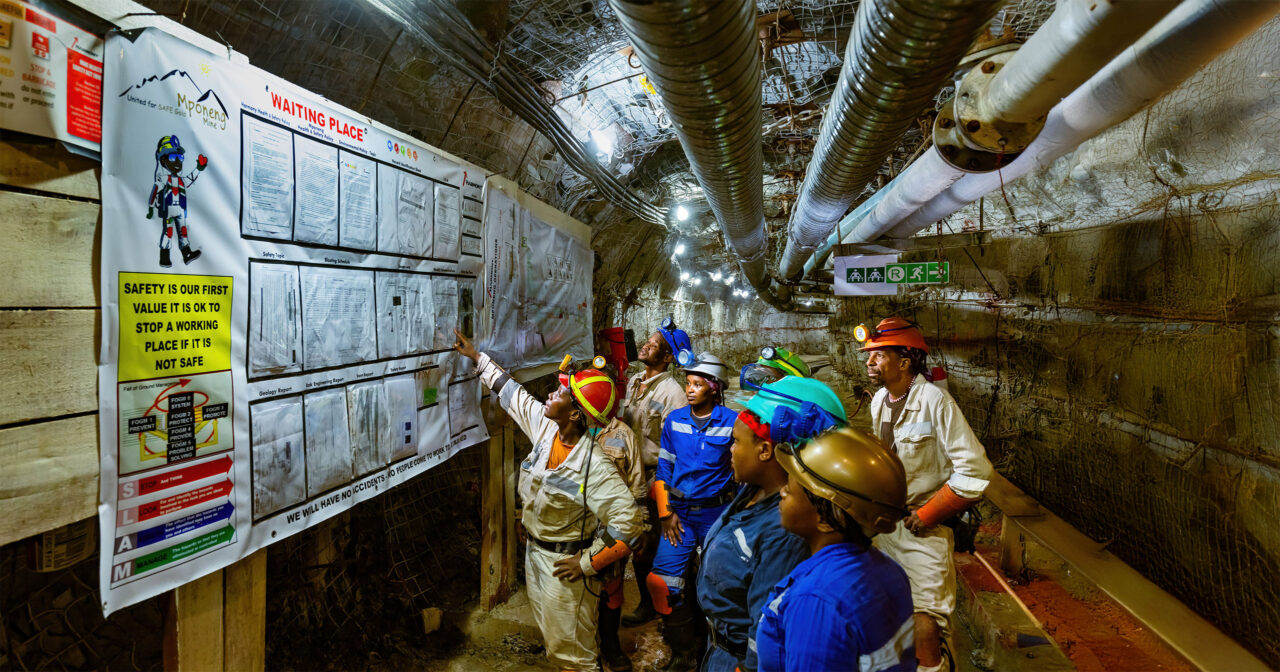
Culture transformation through Thibakotsi
Since 2021, Thibakotsi (meaning “to prevent harm” in Sesotho) has been a cornerstone of our culture in the South African operations, driving meaningful change in employee behaviour around safety and risk prevention. Its success lies in making safety principles accessible, understandable, and actionable for all employees.
Learn how the programme is evolving in our latest sustainability report.
Embedding risk management to identify and respond to risk
Risk management is an integral part of our operations, driven by key processes that include:
- Using a proactive, four-layered risk assessment approach
- Emphasising the importance of employee engagement driving the value of safety and accountability to sustain a safe work environment through routine visible felt leadership days and safety days in collaboration with our key stakeholders (Harmony Tripartite structure)
- Using digitisation that enables data collection and analysis to provide leading indicators that inform decision making (both lagging and leading)
- Setting and measuring performance against strategic priorities and safety-related KPIs at an executive level.
Our critical control management process allows for the effective identification and implementation of risk-based controls to prevent significant unwanted events or minimise impact should they occur. We categorise controls based on their position in the hierarchy of controls and the survivability, availability and reliability rating of the control. These controls inform our leading indicators that enable us to measure how effectively we embed risk management as part of our risk-adapted business process model. We analyse control effectiveness through digital monitoring to identify improvement opportunities on control performance.
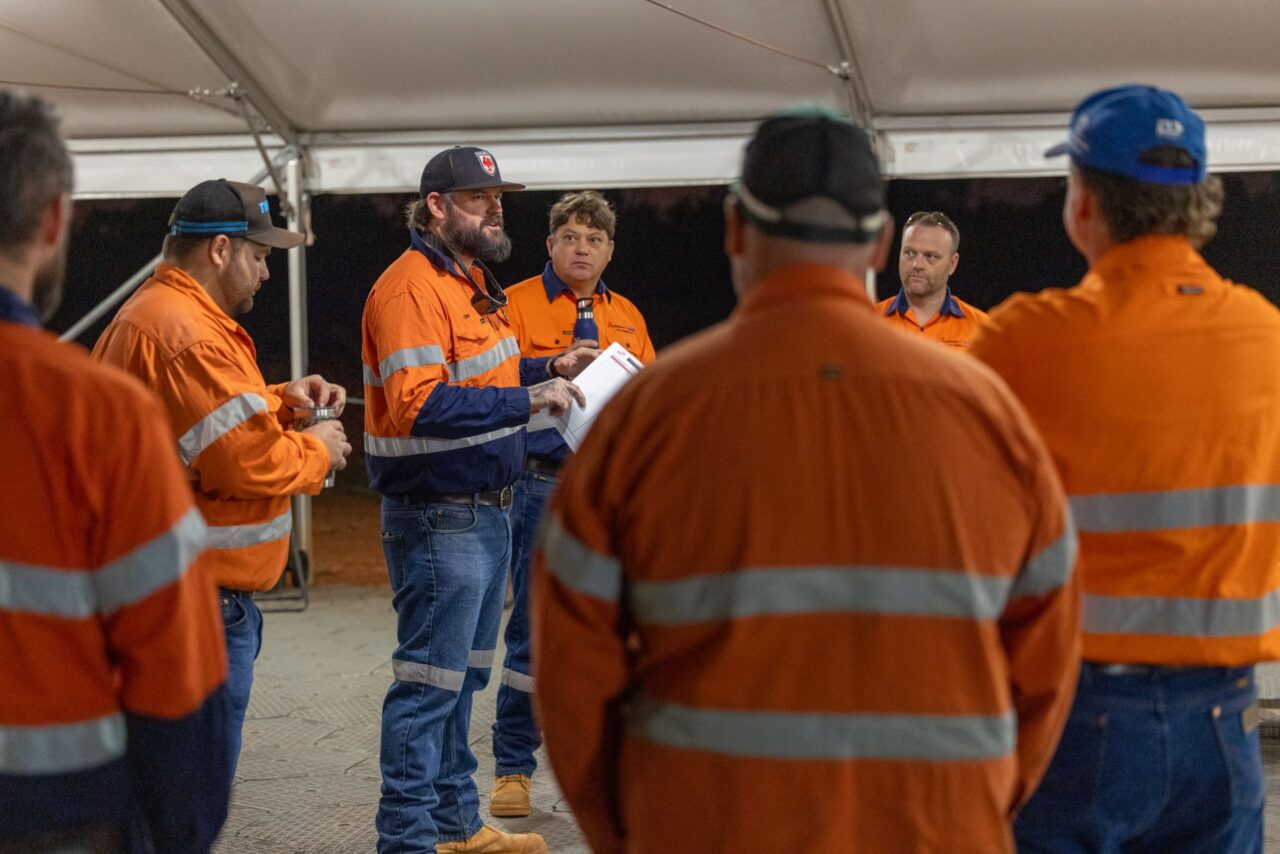
Managing safety-related risks and opportunities
Our integrated risk management approach, guided by international standard ISO 31000 risk management principles, is adopted into our regional Harmony safety standards and adhered to by everyone across our host regions.
In our latest sustainability report, we include a register of safety-related risks, with remedial actions implemented.
Innovating with continuous business improvement
Harmony is dedicated to being a learning organisation, consistently exploring innovative methods to enhance our processes and enable continuous improvement. These include:
- Implementing digitised multidisciplinary start-up risk assessments and pre-planning of workplaces, planned maintenance and high-risk work verification and deficiency response
- Leveraging insights from past incidents, internally and industry-wide
- Identifying new technology and processes to enhance how we monitor, measure and report on safety while enabling us to continuously learn and share these learnings across our organisation.
We also adopt industry-leading practices, including:
- The Minerals Council South Africa’s Mining Industry Occupational Safety and Health (MOSH) community-of-practice adoption process and initiatives, which have been established from learnings across the industry that have been tried and tested as best practice
- Upholding MineSafe conference outcomes in our visible felt safety leadership approach and behavioural interventions
- Aligning critical hazard control management with the ICMM guidelines and principles, which assists us in preventing or mitigating serious incidents
- Monitoring and managing mining-related seismicity through short-term hazard assessments and long-term plans.
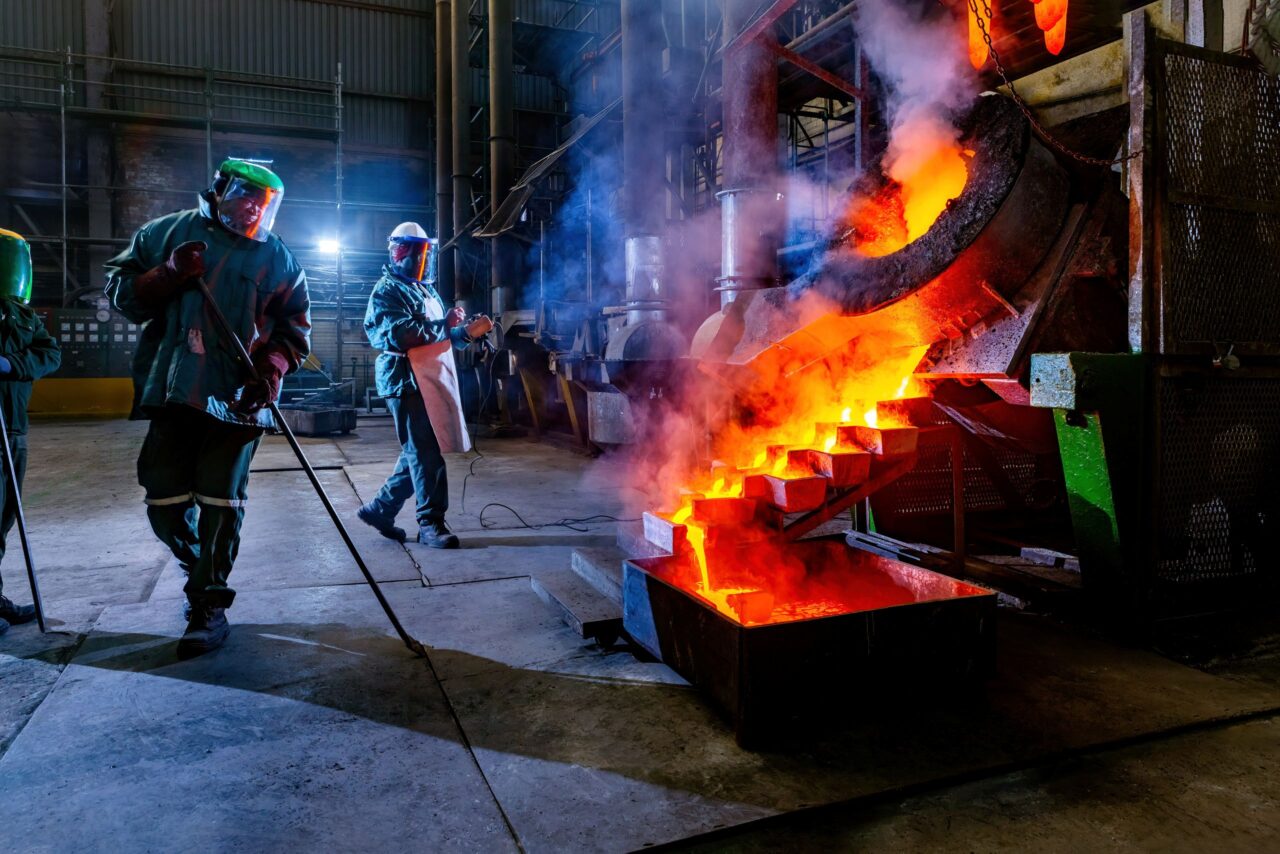
Best-in-class safety strategy
Harmony’s safety strategy is built on a risk-based, multi-layered framework that integrates leadership accountability, data-driven decision-making, and continuous investment in infrastructure and culture to achieve zero harm.
Collaboration and partnerships
Collaborating and partnering with key stakeholders is paramount in strengthening the implementation of our safety strategy. We engage with employees to receive their feedback and incorporate this into actions taken by management to support our teams in achieving safe production. We also enable contractor alignment with and understanding of our safety requirements and expectations, while building related capacity.
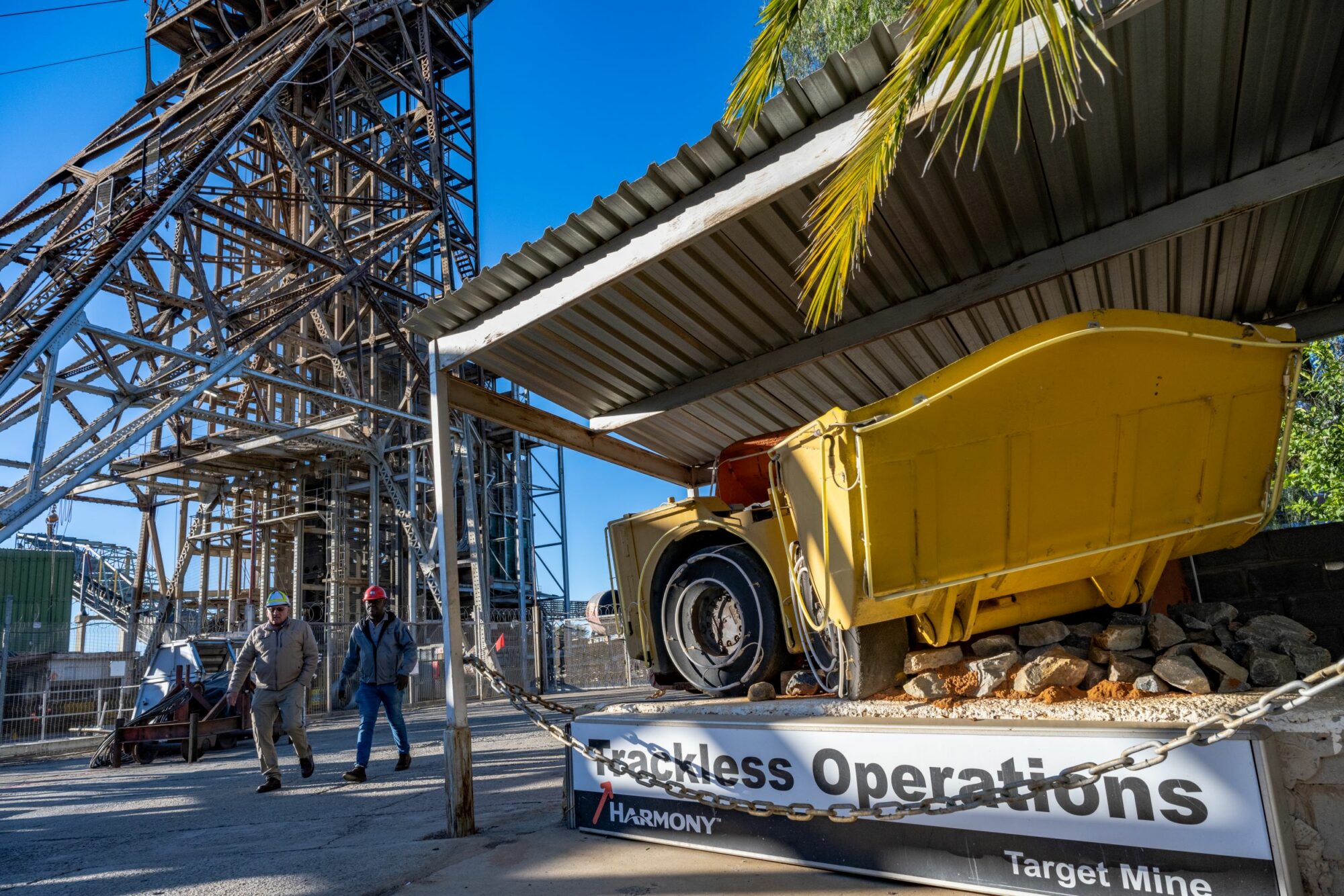
Our collaboration with South African stakeholders includes:
- Monthly alignment meetings
- Leading the culture transformation workstream for the Tripartite, a multi-stakeholder task team supported by the Minerals Council South Africa
- Benchmarking with external stakeholders and subject matter experts to continuously improve and implement best practices, eg risk propensity work.
Our Australasian engagements include:
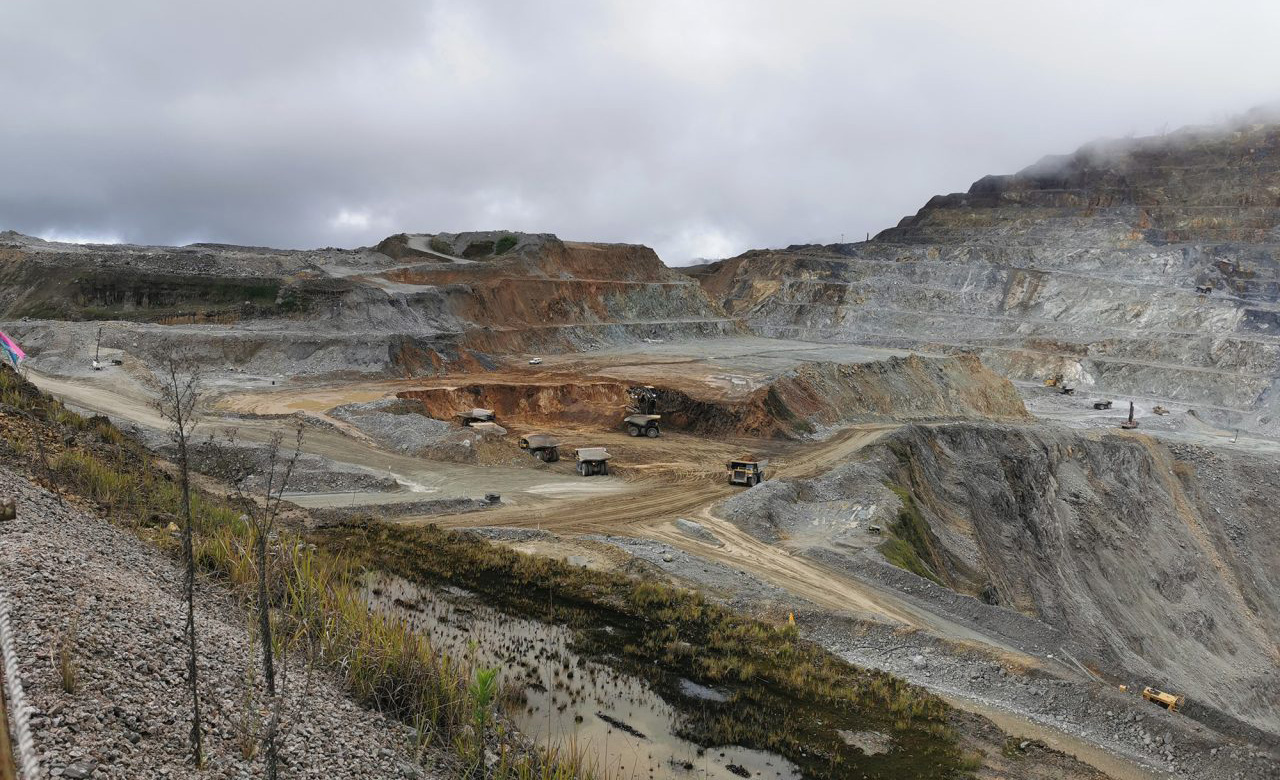
- Collaborating with the Mineral Resources Authority in Papua New Guinea to address safety risks and solve various operational issues
- Building a strong working relationship with the Queensland mining safety regulator through open and transparent communication and reporting
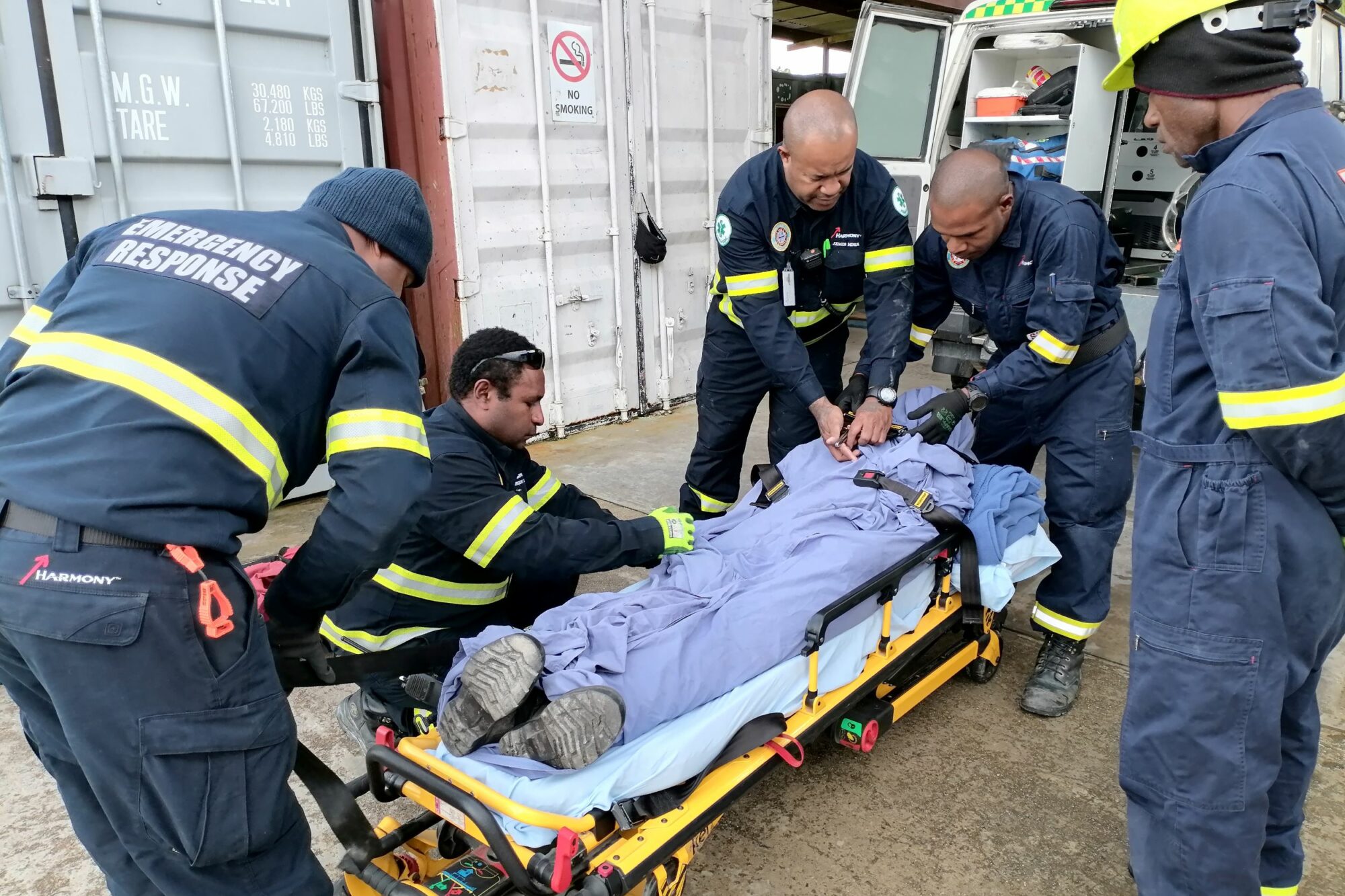
- Establishing a strong working relationship with a neighbouring mine at Eva Copper, including emergency response capability support.
- Collaboration with the Australasian Institute of Mining and Metallurgy (AusIIM) and the Australian Resources and Energy Employer Association (AREEA), the peak bodies and voices of the Australian mining sector.
Explore related Case studies
Further information
Additional performance-related discussions and data may be found in these publications.