
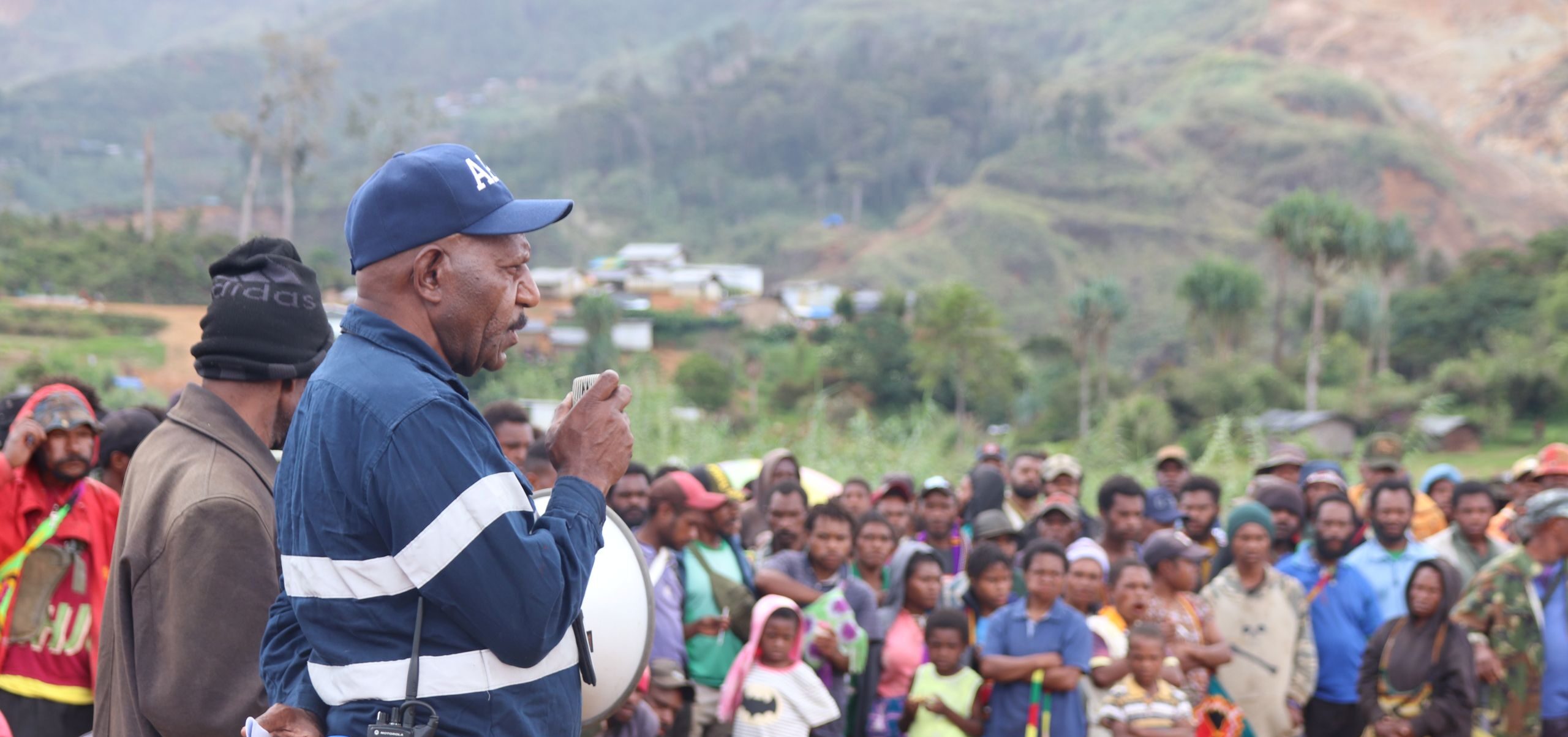
Influenced by low national employment rates and other socio-economic factors, illegal mining activities are a persistent challenge in South Africa and an ongoing concern in Papua New Guinea, where motives for unauthorised access are more varied. To protect our mines, employees and communities, we leverage cutting-edge technology and collaborate with key stakeholders, reinforcing our commitment to creating a safe working environment.
Governance and oversight
We have actionable, site-specific plans for effective performance to combat illegal mining and unauthorised access. In South Africa, we report all incidents and our mitigation efforts to the DMPR on a regular basis. In Papua New Guinea, we report unauthorised access, placement of unapproved structures on our tenements, and our law and order efforts to the MRA. The audit and risk committee reviews the adequacy of internal controls, monitors key risks and reviews the effectiveness of mitigation plans.
Security practices are informed by the Voluntary Principles on Security and Human Rights, the Harmony Code of Conduct, the Harmony Behavioural Code, and internal investigation methodology, which is all set out in our shaft and metallurgical codes. Our security policies are being updated, and all personnel will be retrained in this regard.
In Papua New Guinea, our asset protection officers have legal authority (under the Arrest Act, 1977) to arrest persons committing imprisonable offences, in accordance with established arrest procedures and scenarios. Our broad suite of procedures encompasses security officer training, patrols, police engagement and operations, responding to threats or actions from aggressors and K9 handling.
Our CEO leads the overall anti-illegal mining framework and engages with government and industry bodies. Our deputy CEO and group and site security managers are accountable for implementing security strategies.
We coordinate with industry partners and regulators, overseeing operational security while monitoring key security indicators. Heads of security are responsible for deploying adequate security-related human and technological resources. We have clearly defined roles and responsibilities across all governance levels, aligning with local legislation (MPRDA, Mine Health and Safety Act in South Africa and criminal statutes) and industry best practices.
Related policies
FY25 performance
Investment in security measures
R748 million
Shafts Demolished or sealed
48
since 2008
Sites where illegal mining takes place
31
Security personal trained in Human rights
872
incidences involving illegal mining AT SA operations
2 320
incidences involving illegal mining At PNG operations
2 672
Strategy: Integrated security and engagement
In South Africa, illegal mining is highly organised and often linked to financial and violent crime. In Papua New Guinea, unauthorised access is driven by a number of motives. These illegal activities lead to environmental degradation, social discord and disruption, and have financial implications for our business. To address illegal mining and unlawful access, we adopt a multi-pronged approach that includes asset security, internal controls, community engagement and collaboration with law enforcement.
Investing in security measures
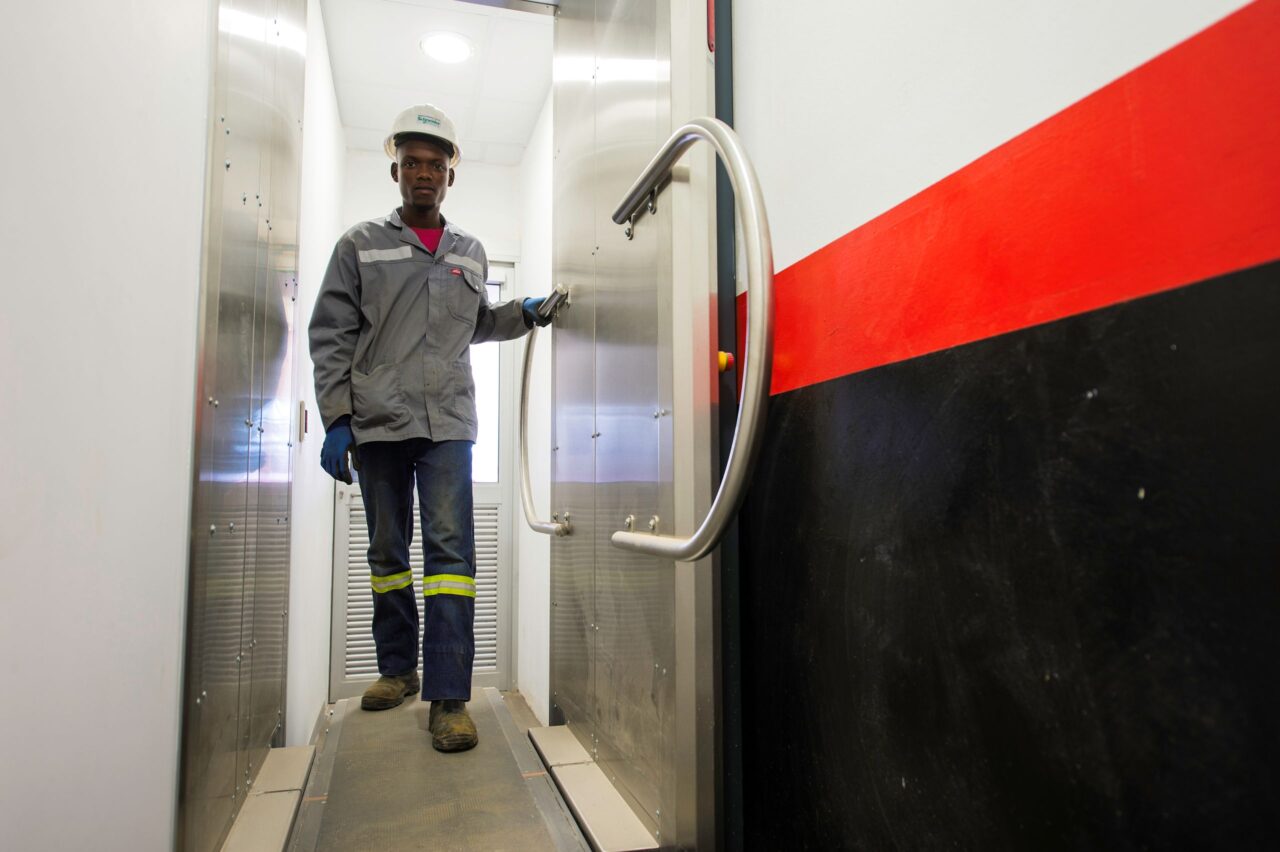
We invest in robust security measures (training employees or contractors, regular assessments, infrastructure sealing, advanced surveillance, internal and contracted security teams, and collaboration with law enforcement and communities) to prevent illegal mining and unauthorised access, protecting people, assets and the environment.
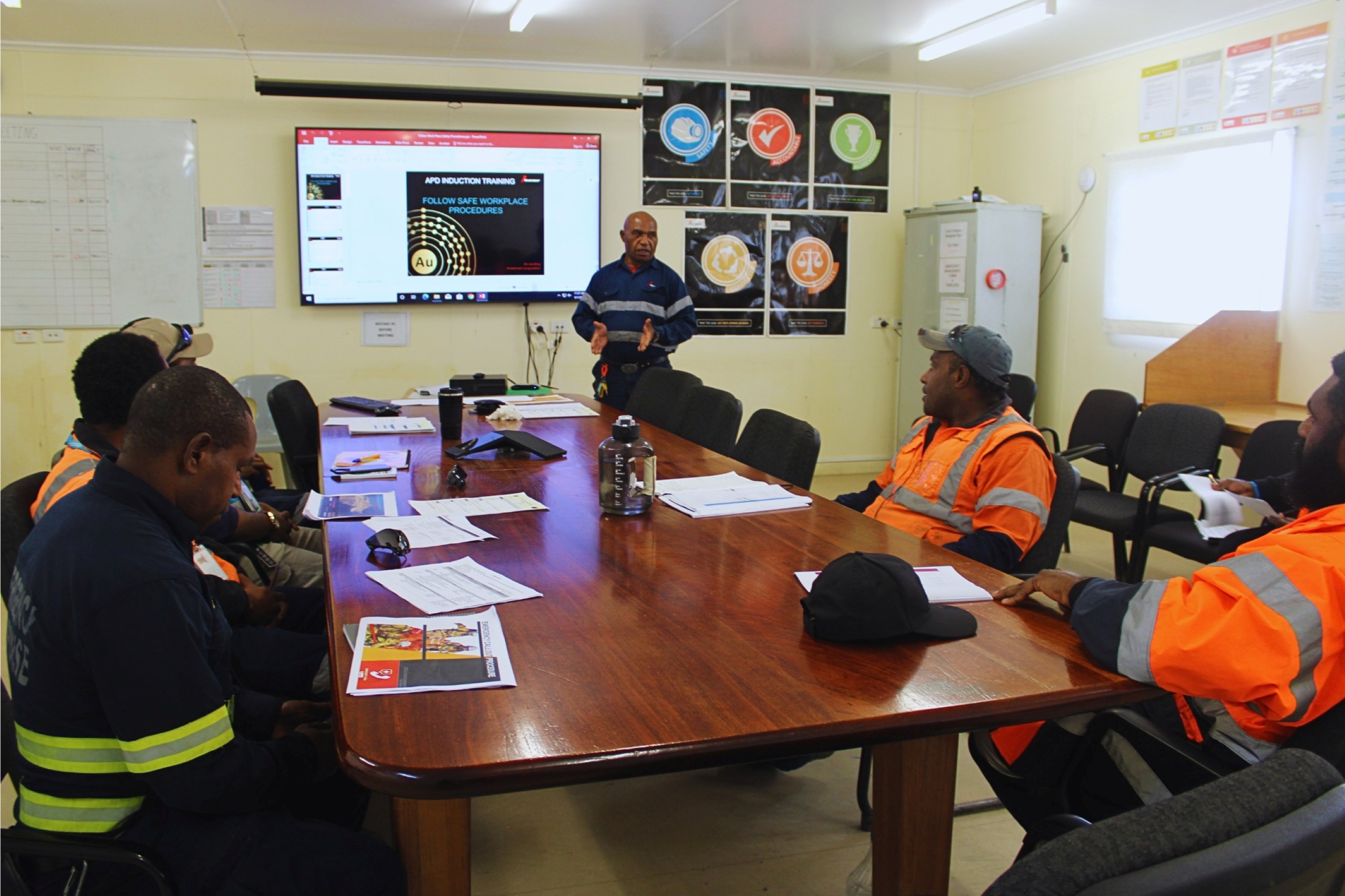
Informed by the Voluntary Principles on Security and Human Rights, the training we provide covers principles of human rights and relevant company policies, appropriate use of force and de-escalation techniques, prevention of inhuman or degrading treatment and discrimination and procedures for reporting and addressing human rights concerns.
Conducting responsible mine closure
Mine closure strategies must account for the different characteristics of underground and open-pit operations, particularly in addressing the risk of illegal mining. For underground sites, effective closure (sealing tunnels, shafts and other subsurface infrastructure) restricts access to disused sites, reducing the risk of exploitation and improving longer-term safety and environment protection.
Applicable to our South African regions, we have demolished or sealed 48 shafts since 2008, reducing the likelihood of illegal mining activity. Operation Vala Umgodi, a police-led initiative focused on combatting illegal mining activities, led to 2 603 arrests in FY25, with 2 109 of those being illegal immigrants. There were 741 registered criminal cases. Key confiscations included gold processing equipment, gold-bearing material, firearms, vehicles and money. At Margaret shaft, the collaboration between the mining industry and operation Vala Umgodi, led to 1 406 illegal miners being extracted and arrested.
Collaboration and partnerships
Our executive director for stakeholder relations and corporate affairs leads community and government engagement, focused on addressing the socio-economic drivers of illegal mining and transparent communication in South Africa. We work with the DMPR, SAPS and NPA to uphold compliance, investigate criminal activities, and support prosecutions. As a member of the Minerals Council South Africa, we contribute to industry-wide initiatives and policy advocacy to address illegal mining collectively
At Hidden Valley, we work with the Royal Papua New Guinea Constabulary and community leaders to promote safety and security, including through awareness campaigns to address critical issues impacting surrounding communities. This includes the consequences, risks and resultant issues arising from unauthorised access and structures, theft, vandalism and illegal mining.
Further information
Additional performance-related discussions and data may be found in these publications.