
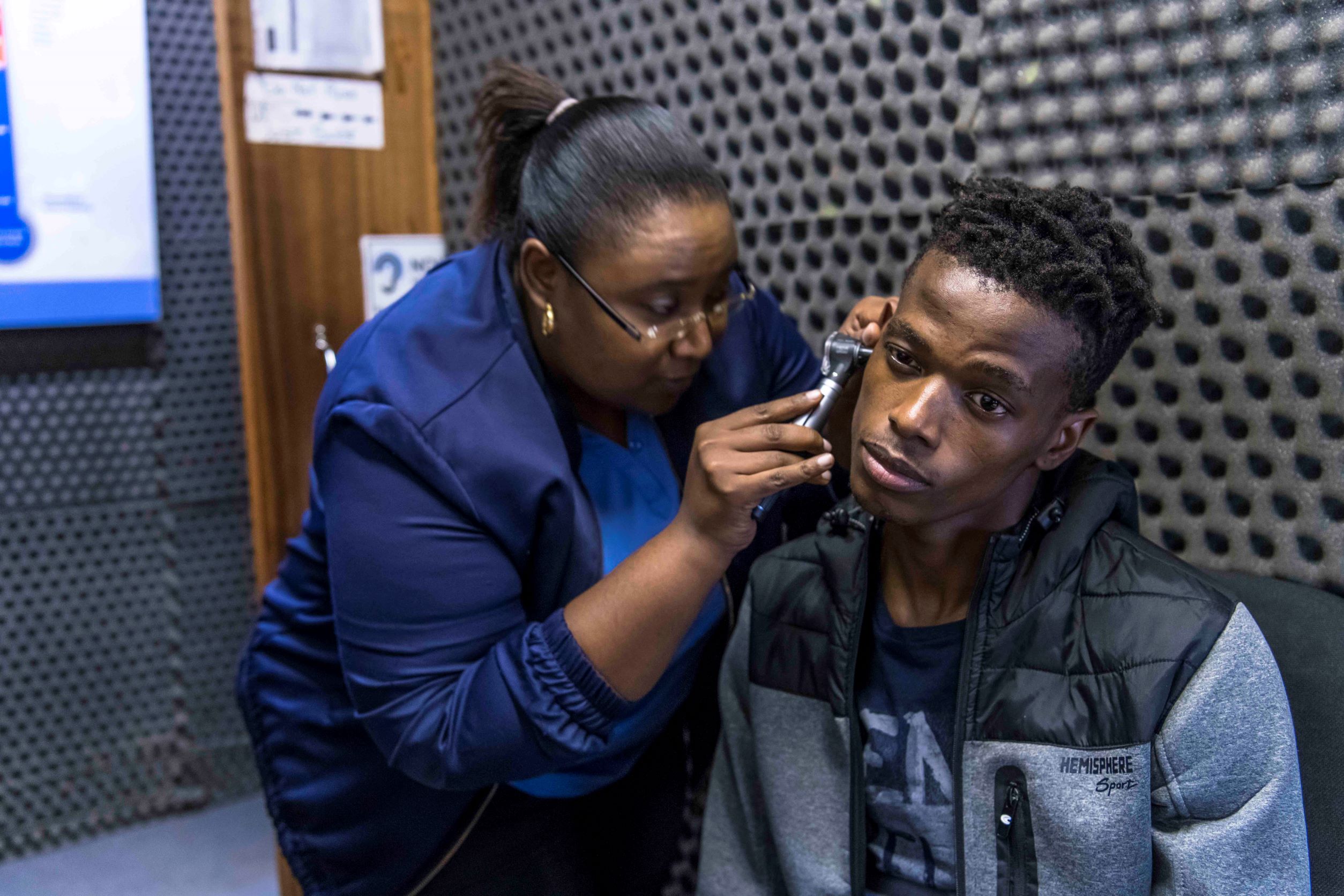
The nature of mining work inherently involves significant health and safety risks. Ensuring access to comprehensive, responsive and holistic healthcare mitigates
these risks, protects our workforce, and underpins our duty to care. Provision of health services contributes directly to operational stability, workforce productivity and
long-term sustainability of our operations.
Governance and oversight
Our health and wellness policies and standards are informed by host country laws and regulations and global guidelines, including those issued by the World Health Organization (WHO). Standard operating procedures support compliance with policies and standards and enable the effective implementation of risk-based medical surveillance, health and wellness programmes and responses to emergencies and report incidents. The board and senior management review the occupational health and safety policy every two years or when significant changes occur, allowing for continued relevance and effectiveness in managing employee-related risks.
Health and wellness teams are empowered through continuous training to adhere to applicable local legislation, regulatory requirements and Harmony’s governance standards. The health and wellness function accounts to the board on a quarterly basis through the social and ethics committee.
We achieve our desired health outcomes by:
- Prioritising adherence to policies and standard operating procedures
- Continuously improving regional health information systems to manage data and prepare regular reports to stakeholders
- Ongoing performance monitoring of our proactive risk-based medical surveillance, programmes and emergency response preparedness
- Conducting quality assurance (internal audits) and developing corrective plans to any deficiencies identified
- Building stakeholder relationships and trust by participating in various industry health forums and collaborating with public health bodies.
Related policies
FY25 performance
Health-related absenteeism
7.3%
Chronic diseases managed
22 826
Silicosis: Cases submitted
83
Silicosis: certified cases
60
Percentage of workforce screened for TB
100%
TB incidence RAte
364
per 100 000 employees tested
Early NIHL cases
102
NIHL cases compensated
111
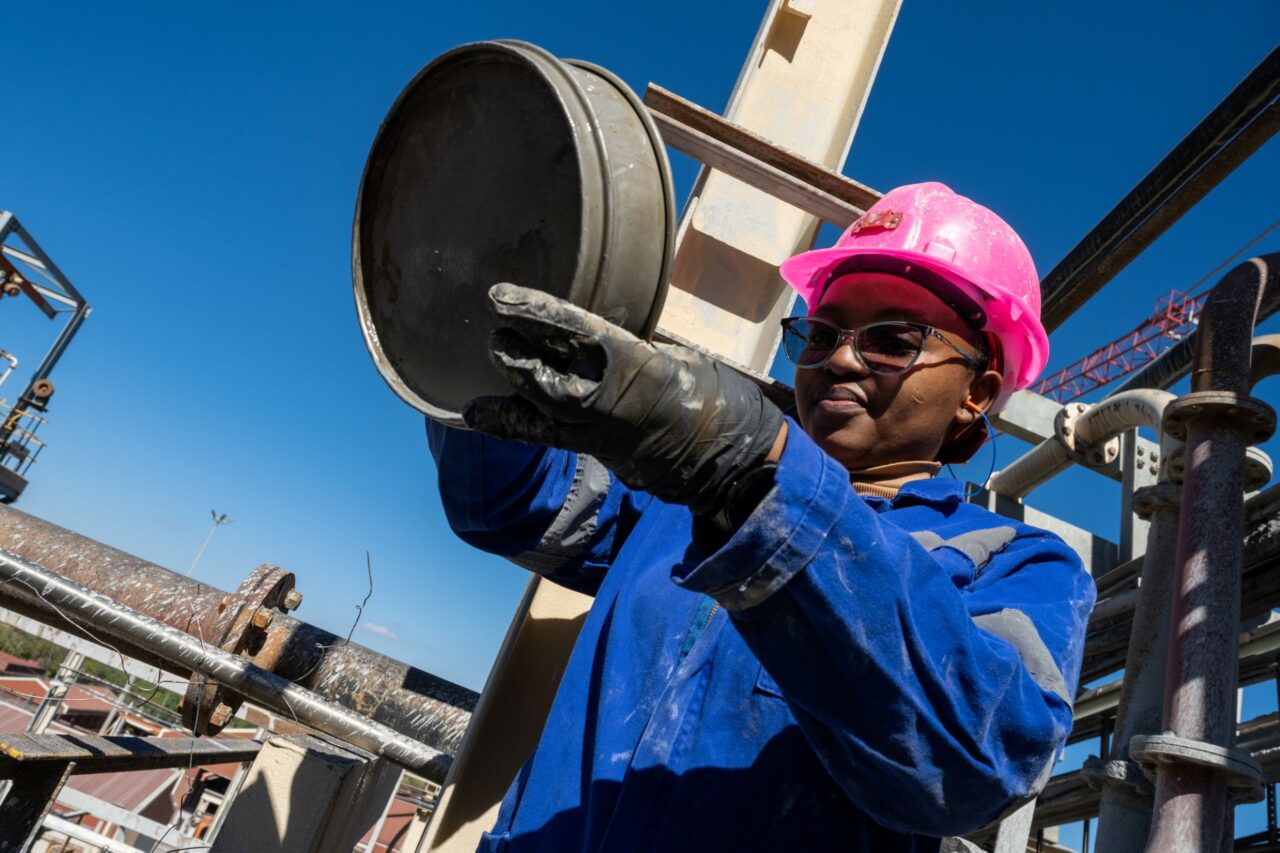
Our strategy: Proactive and preventative health management
Harmony’s health strategy consists of occupational medicine, occupational hygiene and wellness. These facets aim to prevent, detect and treat occupational and non-occupational disease. Harmony goes beyond compliance by applying practices and a comprehensive health risk approach. Through ongoing compliance with regulations, we remain aligned with evolving standards, proactively managing health and safety risks as exposure limits are revised. Our occupational health and safety system covers all employees working at the group.
Enhancing employee health outcomes
We seek to empower employees to proactively manage their health and wellbeing, and provide safe and healthy workplaces with accessible healthcare services. Our holistic approach considers employees’ occupational health, mental and physical wellbeing.
We implement applicable best practice health programmes to address occupational and non-occupational health risks. Additionally, our integrated group-wide lifestyle management programmes equip employees with the know-how and tools to manage prevalent non-occupational health issues.
We monitor and manage health outcomes in categories:
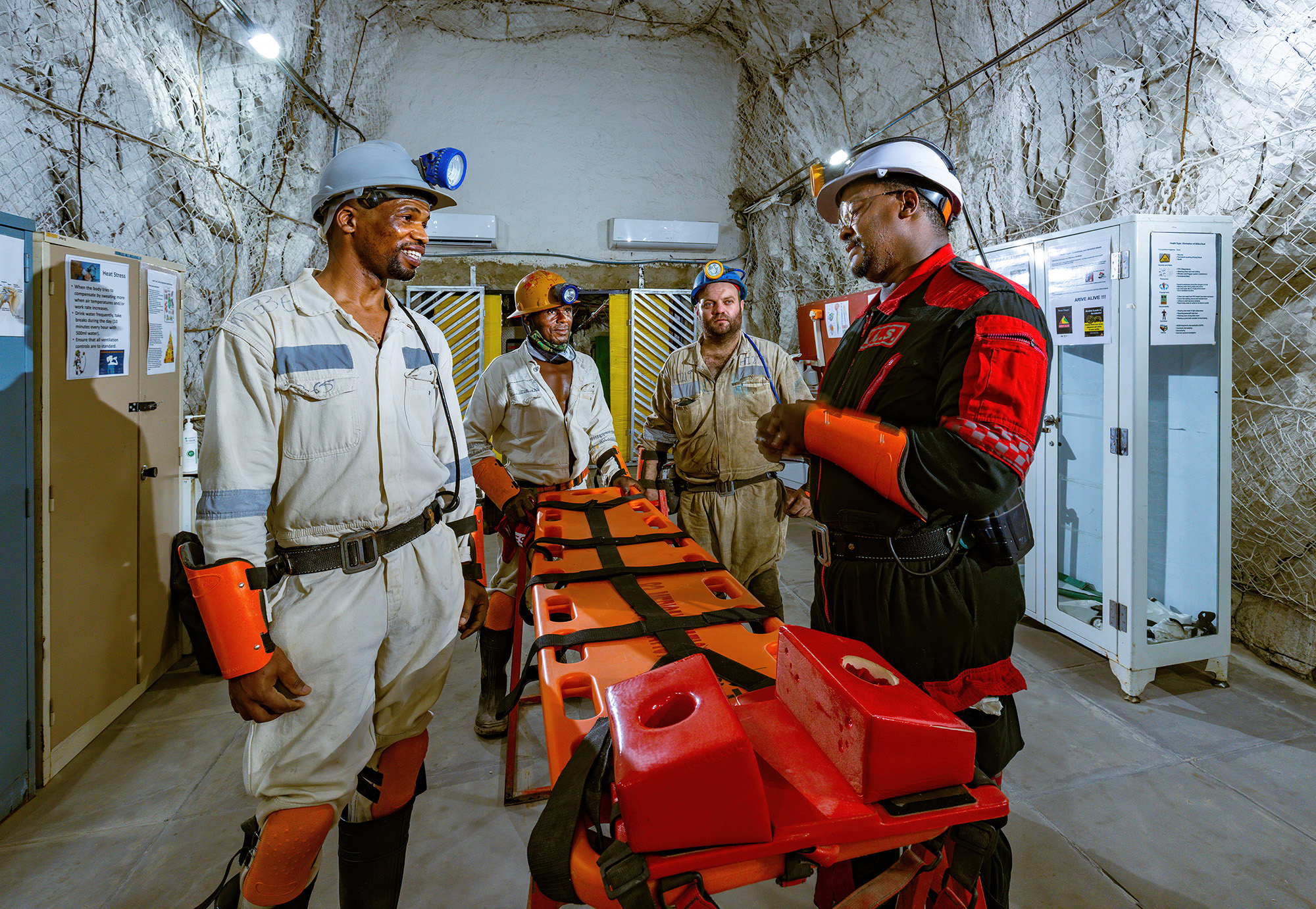
- Occupational health conditions, encompassing noise-induced hearing loss (NIHL), radiation exposure, thermal stress and heat-related illness, tuberculosis (TB) and silicosis.
- Non-occupational health conditions, namely HIV/Aids, lifestyle diseases, mental health and substance abuse
- Other communicable diseases, predominantly malaria, cholera and typhoid
Improving labour availability
Employee health and wellbeing is a critical lever to improving labour availability. By reducing absenteeism, we improve productivity, safety and profitability. We run regular awareness campaigns and encourage good hygiene practices to prevent contagion. We also deliver targeted health promotion and prevention initiatives with government and non-governmental organisation (NGO) partners.
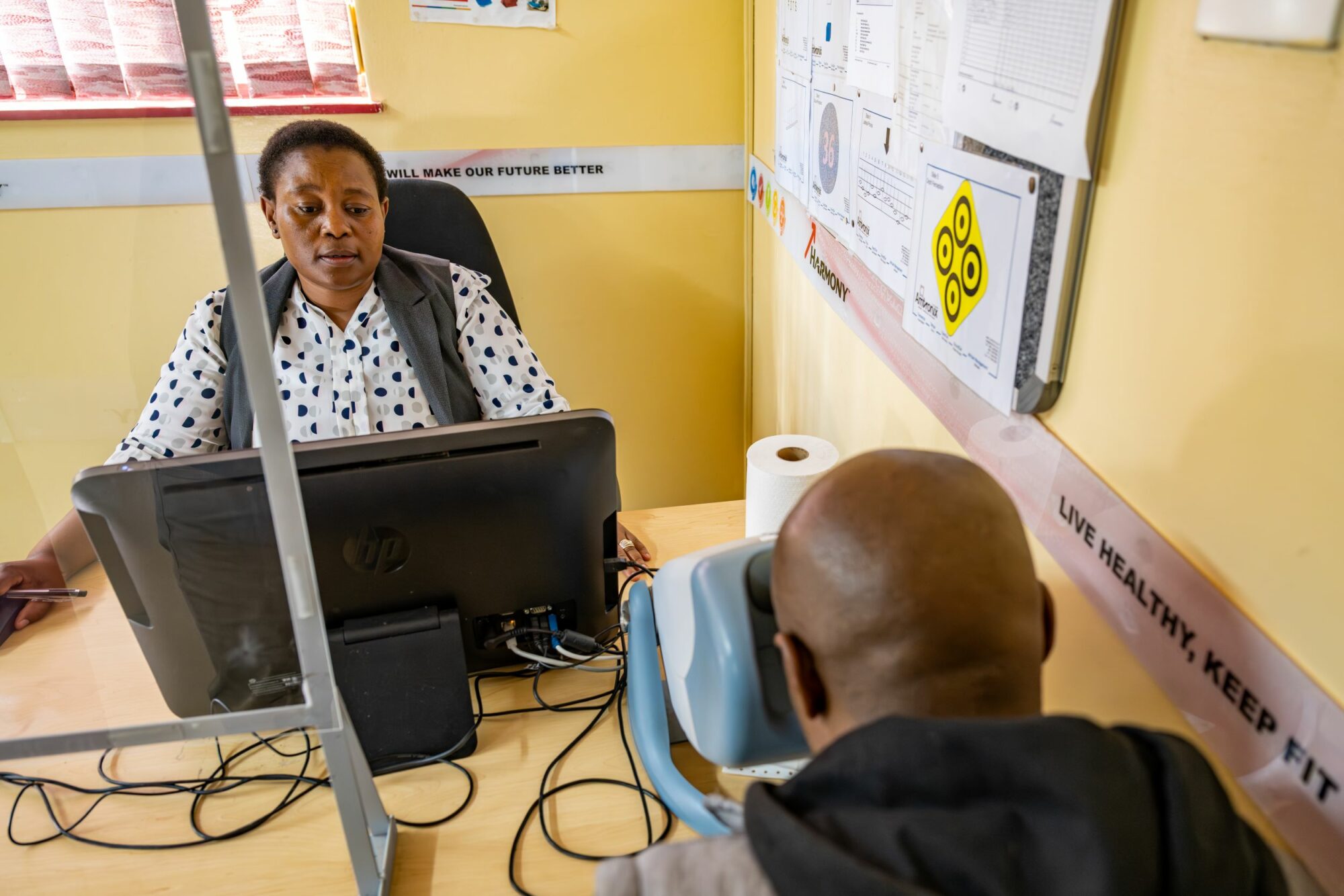
At our South African operations we promote the early detection of chronic illnesses or incapacitating disorders that could prevent employees from attending work. We manage employees on prolonged sick leave through our at-work management programme to monitor their medical conditions, oversee an appropriate treatment plan and early, but productive and healthy, return to work. Injuries, respiratory, musculoskeletal, and psychiatric disorders are the primary contributing factors for extended sick leave.
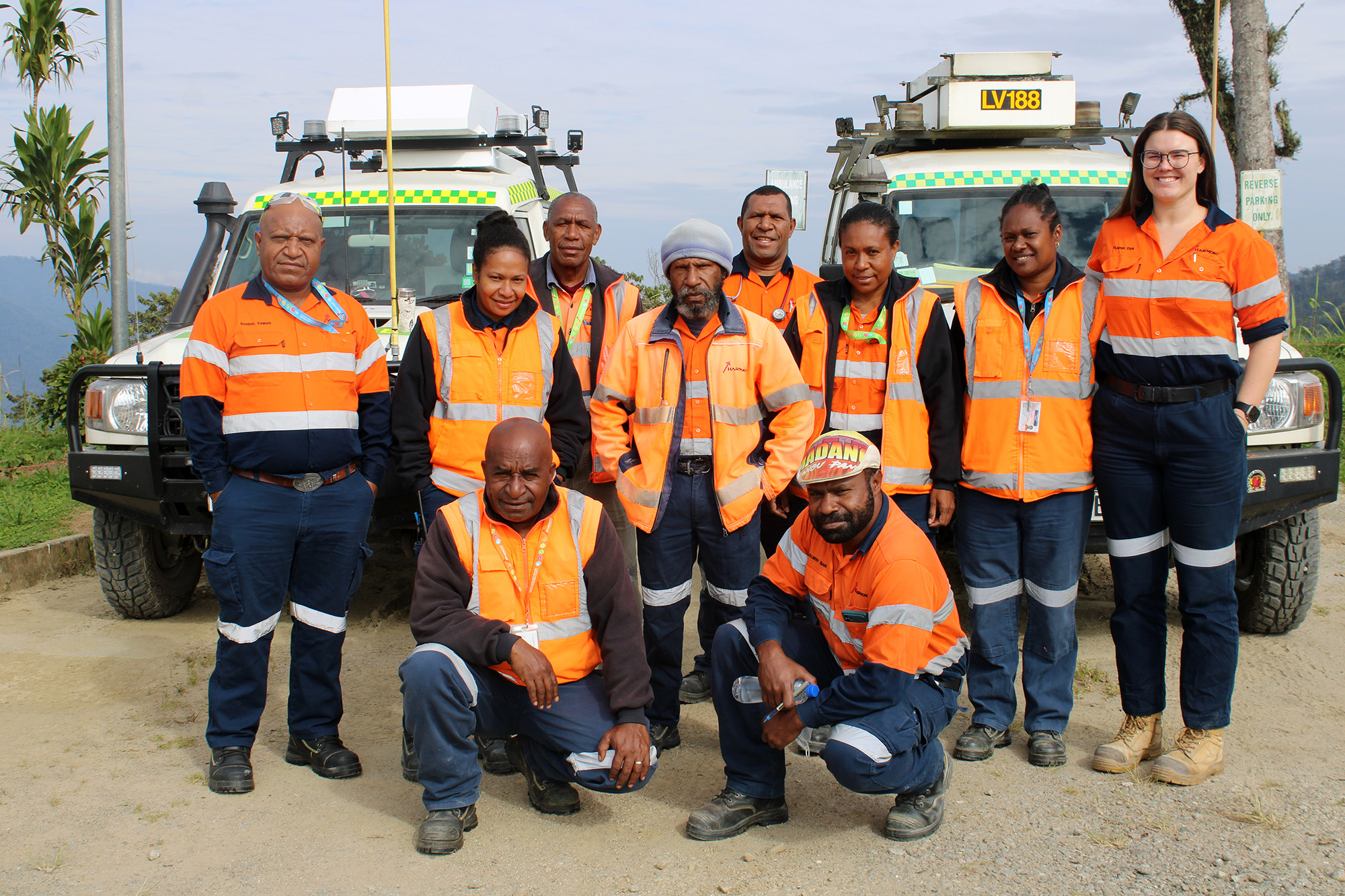
Infectious diseases, notably upper respiratory tract infections due to environmental conditions and lifestyle factors, are a common cause of health-related absenteeism at Hidden Valley.
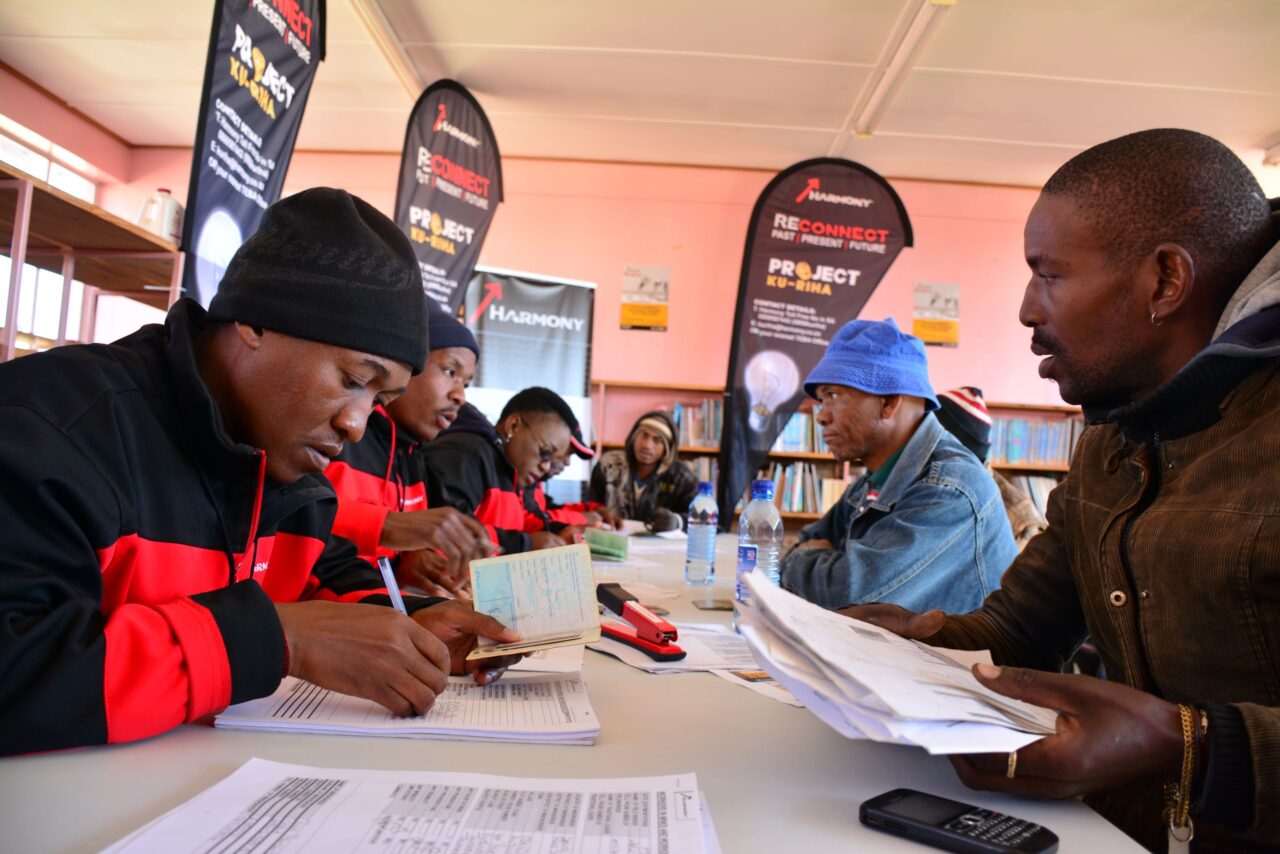
ReConnect
Through ReConnect, we trace former employees and address the occupational lung disease compensation claims backlog.
This year, we worked with stakeholders to strengthen our post-employment health programme to provide former employees with health access, minimise the risk of loss (due to no follow up) and address legal compliance issues.
Implementing a cost-effective healthcare model
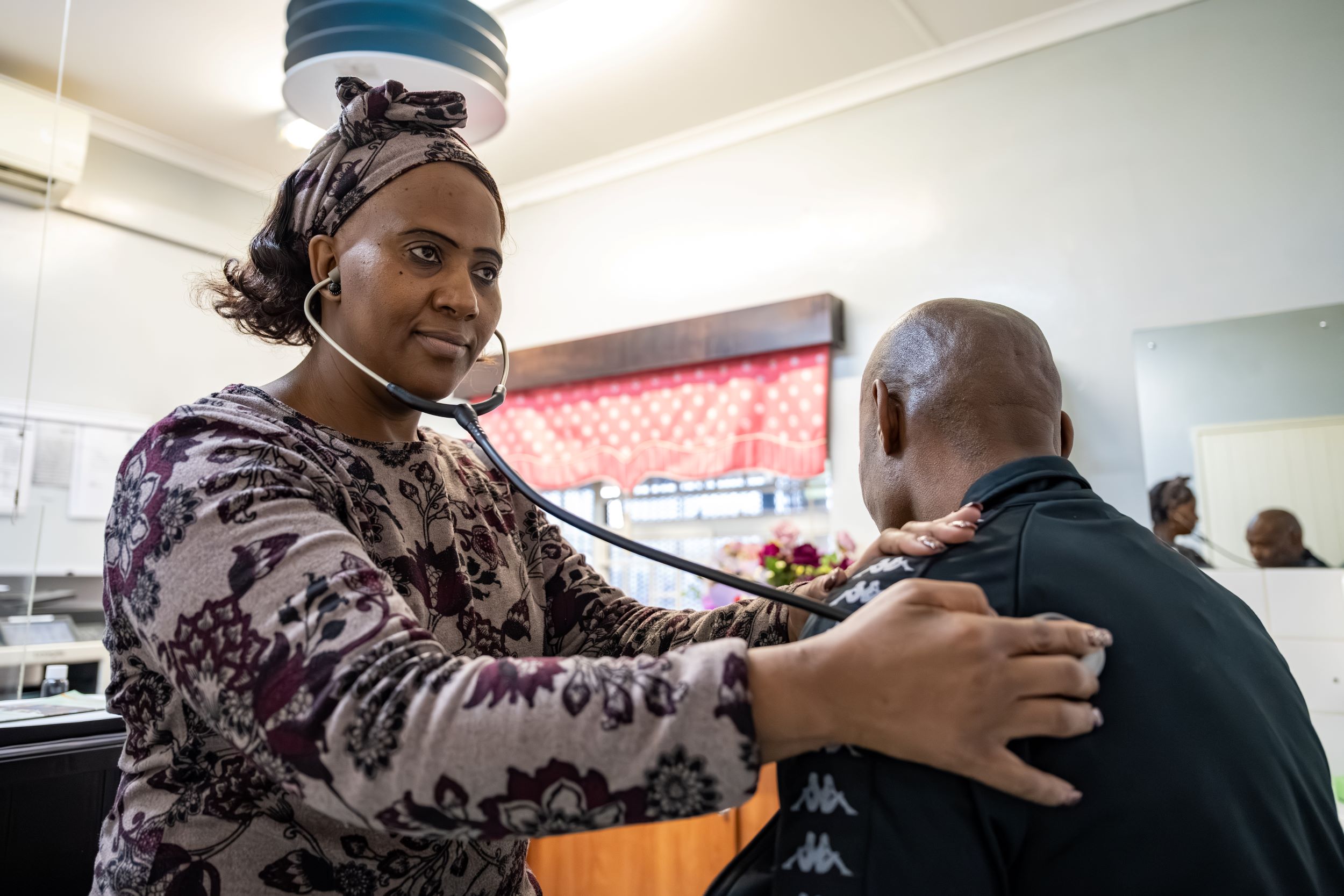
Our cost-effective healthcare model aims to improve employee wellbeing and support labour availability through proactive, preventative and decentralised service delivery. By focusing on early intervention and accessible care, we seek to reduce long-term healthcare costs and minimise absenteeism. This model includes company-managed healthcare facilities, strategic partnerships with medical aid providers, and the integration of external healthcare services.
Digital health management systems further enhance efficiency and continuity of care, facilitating timely support for employees while contributing to a healthier, more reliable workforce.
Explore related Case studies
Further information
Additional performance-related discussions and data may be found in these publications.