
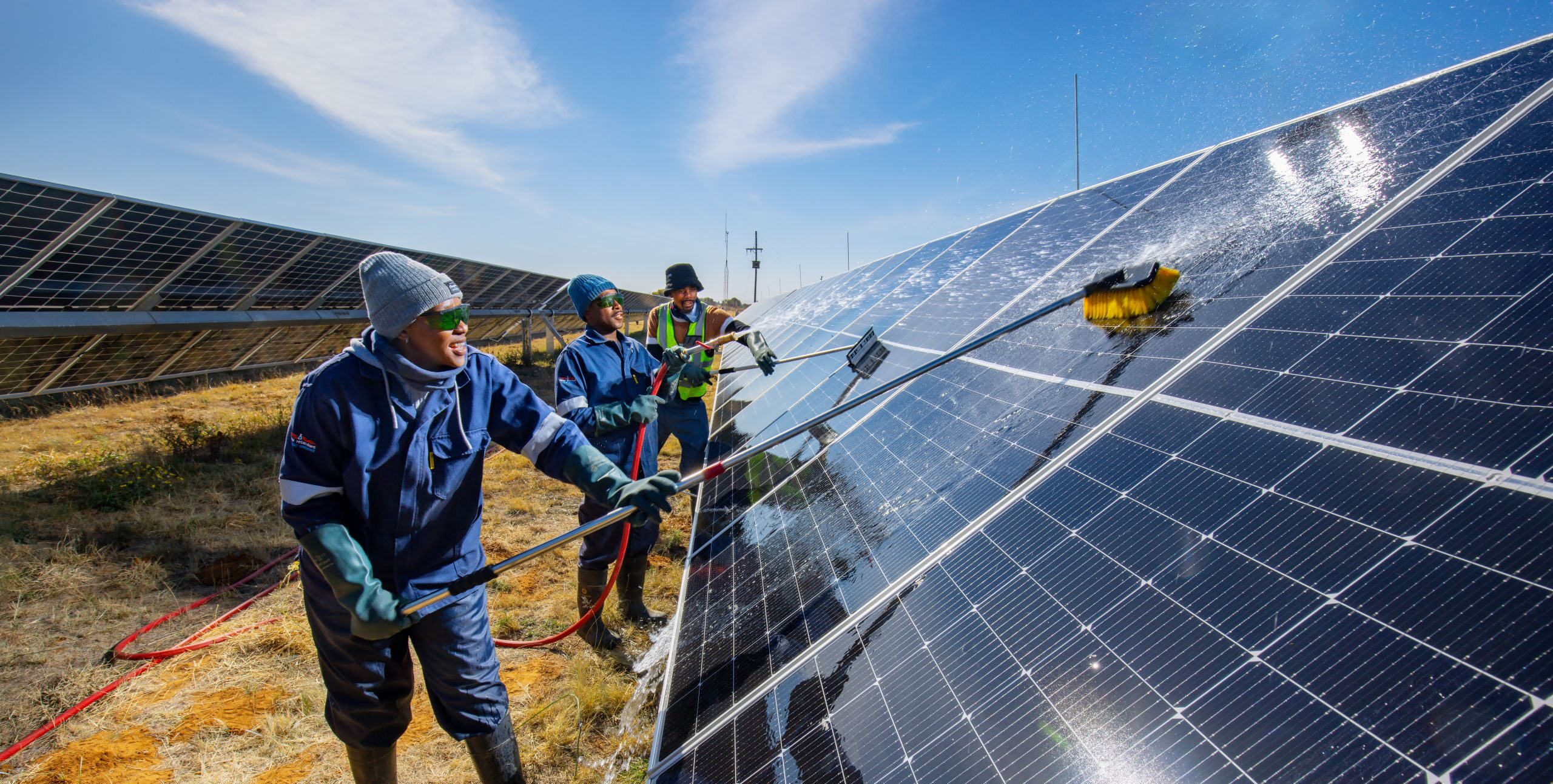
Climate is a defining factor in shaping global ecosystems, economies and communities, presenting both risks and opportunities for innovation and resilience. We are committed to managing our climate and energy impacts while navigating the transition to a low-carbon future with purpose and accountability.
Governance and oversight
Climate and energy governance is embedded across Harmony’s organisation, supported by accountability structures and oversight mechanisms. Our governance practices reflect the principles outlined in the IFRS Sustainability Disclosure Standards (S1 and S2), which emphasise board and management oversight, internal controls, and procedures for managing sustainability-related risks and opportunities (including climate). These practices are also guided by King IV principles,s supporting ethical leadership and integrated thinking.
Energy and emissions performance is monitored through structured processes that support governance oversight and continual improvement. This includes monthly energy reviews, quarterly emissions reviews, and performance insights which are integrated into strategic oversight.
Monthly energy reviews assess consumption trends and identify areas of concern across all operations. A specialist consultancy tracks electricity use and renewable energy performance, providing detailed reports that inform operational decisions. Deviations exceeding 10% trigger internal investigations and corrective actions.
Quarterly emissions reviews align with our commitment to the SBTi. Emissions data is assessed for consistency with SBTi methodologies, and material variances are escalated to the technical committee for further analysis and response planning.
Performance insights are integrated into strategic oversight. The technical and social and ethics committees receive updates on energy and emissions performance, enabling informed decision making and accountability across the organisation.
Harmony’s climate change and energy management is guided by a group-wide policy framework that reflects our commitment to the global shift toward a low-carbon economy. These policies are grounded in our sustainability framework and apply across all wholly owned and managed operations.
Our policies and our IEMS strengthen our energy resilience, reduce carbon intensity, and reinforce our commitment to a low-carbon, cost-effective and sustainable future underpinned by robust governance and oversight.
Related policies
FY25 performance
Scope 1 Emissions
0.17MtCO2e
Scope 2 Emissions
4.32MtCO2e
Group energy consumption
4 250GWh
Group energy intensity (MWh/tonnes treated)
0.096
Group electricity generation
157GWh
Energy saved through efficiency initiatives
350 873MWh
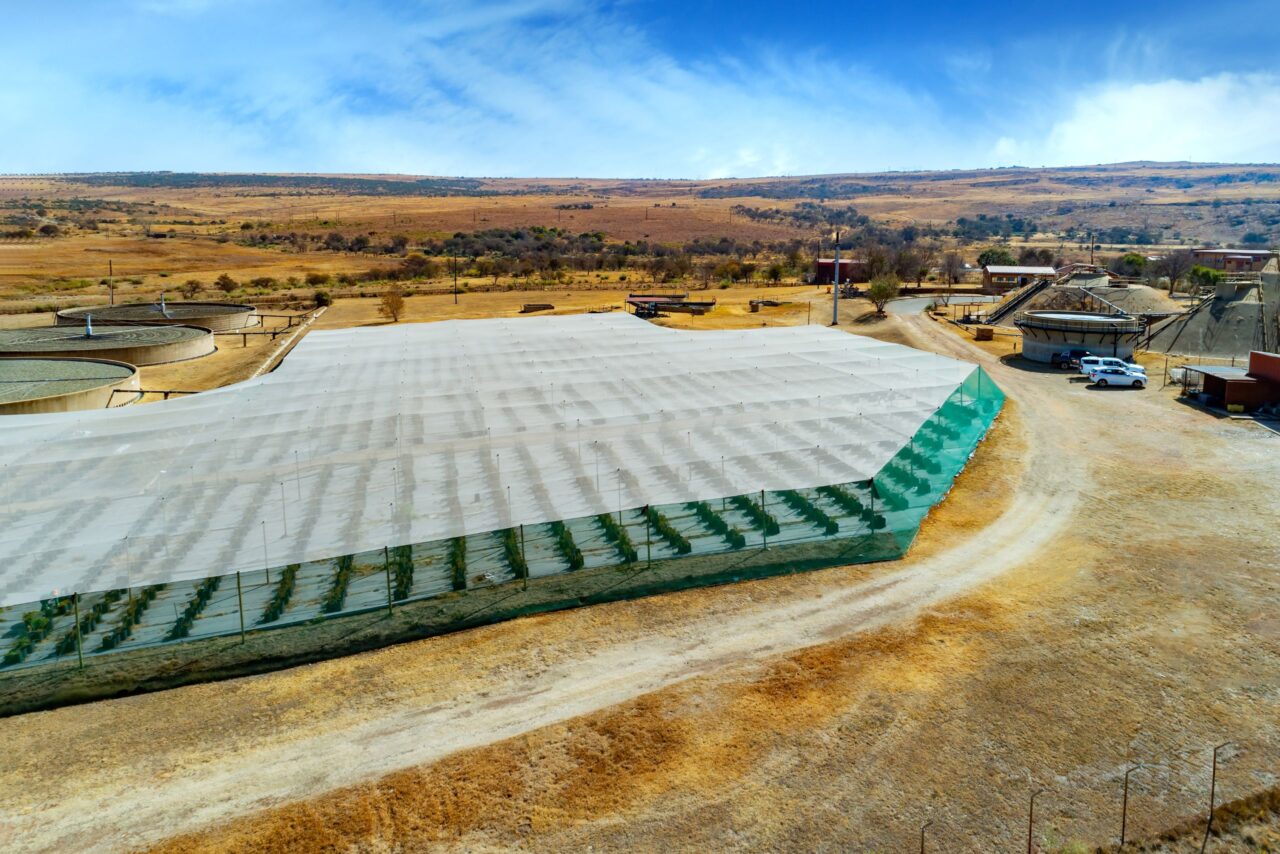
Our strategy: Responding to climate as a strategic and operational priority
Harmony’s strategy integrates climate considerations into long-term planning, portfolio diversification and capital allocation. We maintain a strong foundation in gold while expanding into copper to support long-term resilience and the global energy transition. Guided by double materiality, we assess both the impact of climate on our business and our impact on the broader environment and society. Our net zero by 2045 ambition shapes our transition planning, supported by scenario analysis, stakeholder engagement, and investments in renewable energy and efficiency.
Strengthening climate risk governance and disclosures to support operational continuity and long-term resilience
We operate in alignment with host country regulations and emerging global climate disclosure frameworks, including the International Financial Reporting Standards (IFRS) and the incoming Australian Sustainability Reporting Standards (ASRS). In preparation for IFRS implementation, we conducted a climate disclosure gap analysis across our operations, with targeted actions underway in South Africa and a dedicated project in Australasia to meet ASRS requirements by FY26.
Our Climate action and impact report remains a key vehicle for structured and transparent climate-related reporting, covering GHG emissions, climate risks and opportunities, and our decarbonisation strategy. We are strengthening the climate resilience of our business through scenario analysis and site-specific risk assessments. This assessment process continues to inform operational planning and continuity measures, helping us to respond to climate-related disruptions and maintain reliable performance under changing conditions.
We also recognise water stress as a material climate-related risk, and are incorporating water availability and catchment-level scarcity to safeguard operational continuity in vulnerable regions.
As a water-scarce country, the availability of water can be unpredictable in South Africa, particularly during a protracted drought. Additionally, we often depend on municipal water, exposing the group to tariff increases and supply shortages. By executing on our water management strategy, we aim to increase the security of water supply and reduce our reliance on municipal water systems.
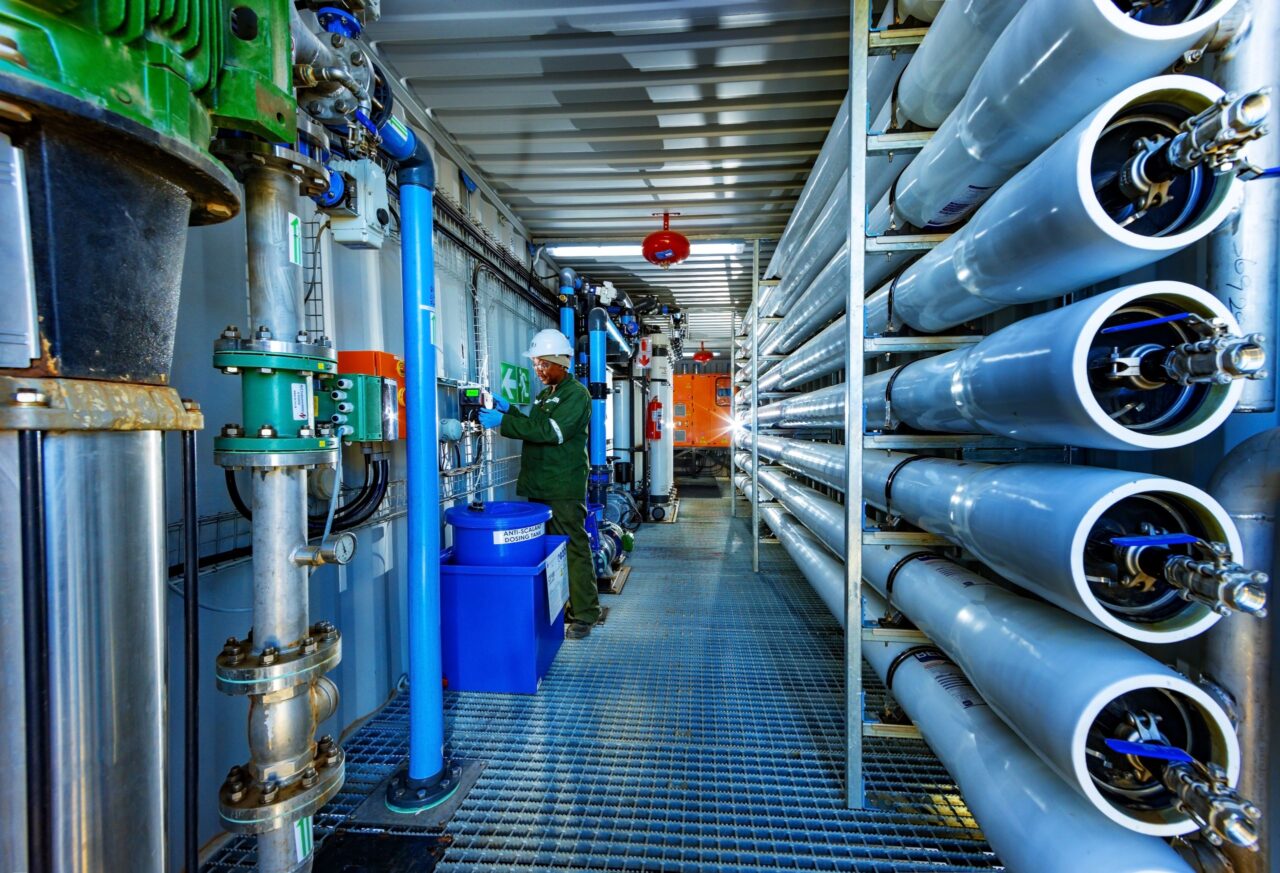
Water security through reverse osmosis plants
The construction of the Tau Tona reverse osmosis treatment plant was completed in FY25 and will be commissioned in FY26.
Water withdrawal from municipal sources decreased by 4.8% from FY24 due to operational reverse osmosis plants and improved recycling measures implemented.
Advancing our decarbonisation pathway through targeted planning and emissions insights
Harmony is progressing a structured and science-aligned decarbonisation pathway to meet its climate targets, including a near-term emissions reduction goal validated by the Science Based Targets initiative (SBTi). Our pathway focuses on reducing scope 1 and scope 2 emissions, with scope 2 remaining our most material source. We are deepening our understanding through asset-level abatement planning, technology roadmaps, and scenario analysis. Renewable energy deployment is a key enabler of our transition. We have started a review of our scope 3 inventory and will work with suppliers to improve data quality, broaden category coverage, and identify reduction opportunities.
Harmony’s transition pathway outlines the strategic direction we are taking to reduce emissions, strengthen operational resilience, and align capital allocation with long-term climate and business objectives. While we have not yet adopted a formal climate transition plan as defined by CDP, our strategy is grounded in five guiding themes: energy efficiency, portfolio re-engineering, improving electricity mix, adaptation, and supply chain decarbonisation. These themes shape our operational planning and investment decisions, supporting our ambition to achieve net-zero emissions by 2045.
In FY25, we commenced the construction of Sungazer 2 and progressed initiatives, including expanded solar capacity, operational efficiencies, and short-term power purchase agreements (PPAs), including wheeled wind energy.
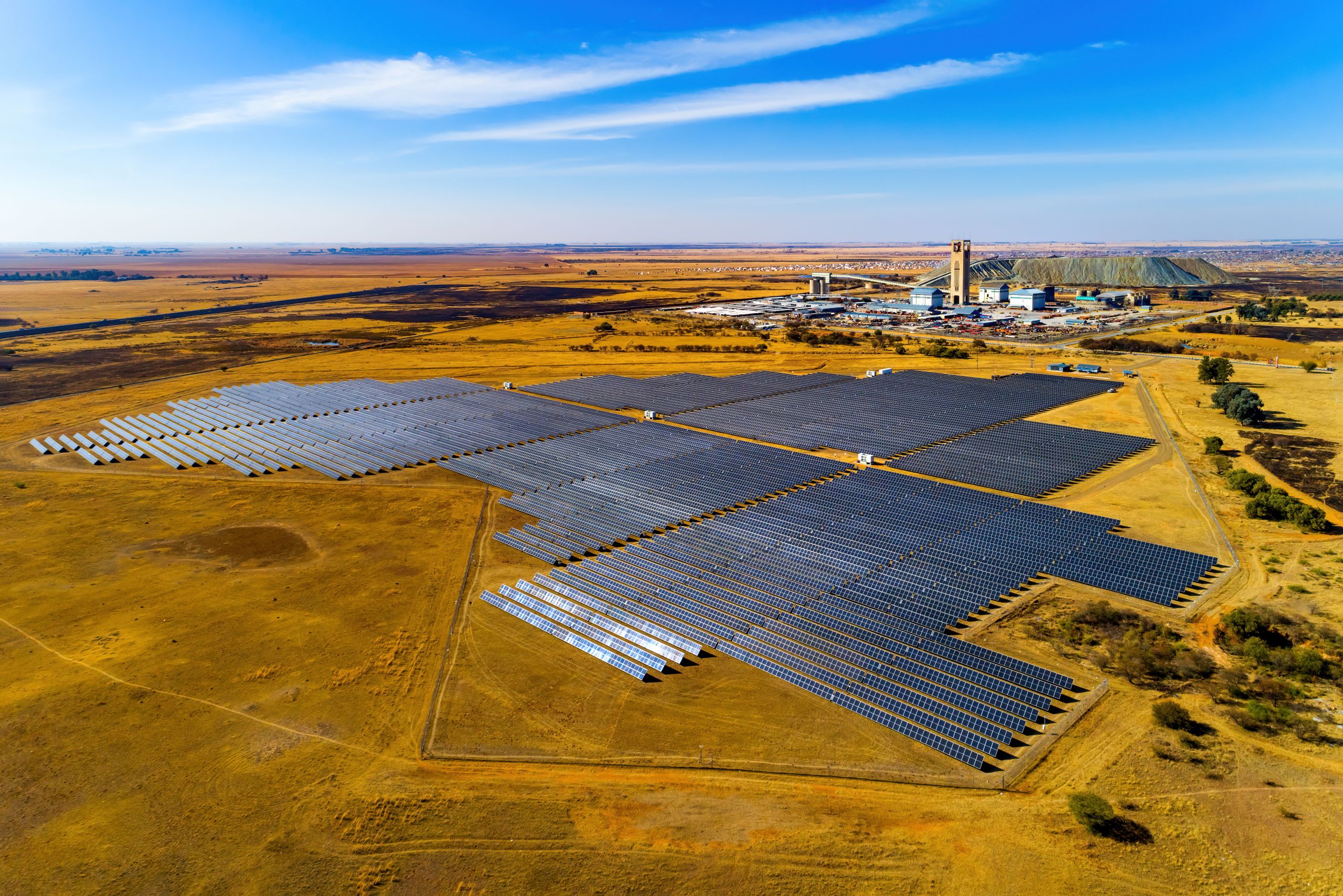
Scaling renewable energy
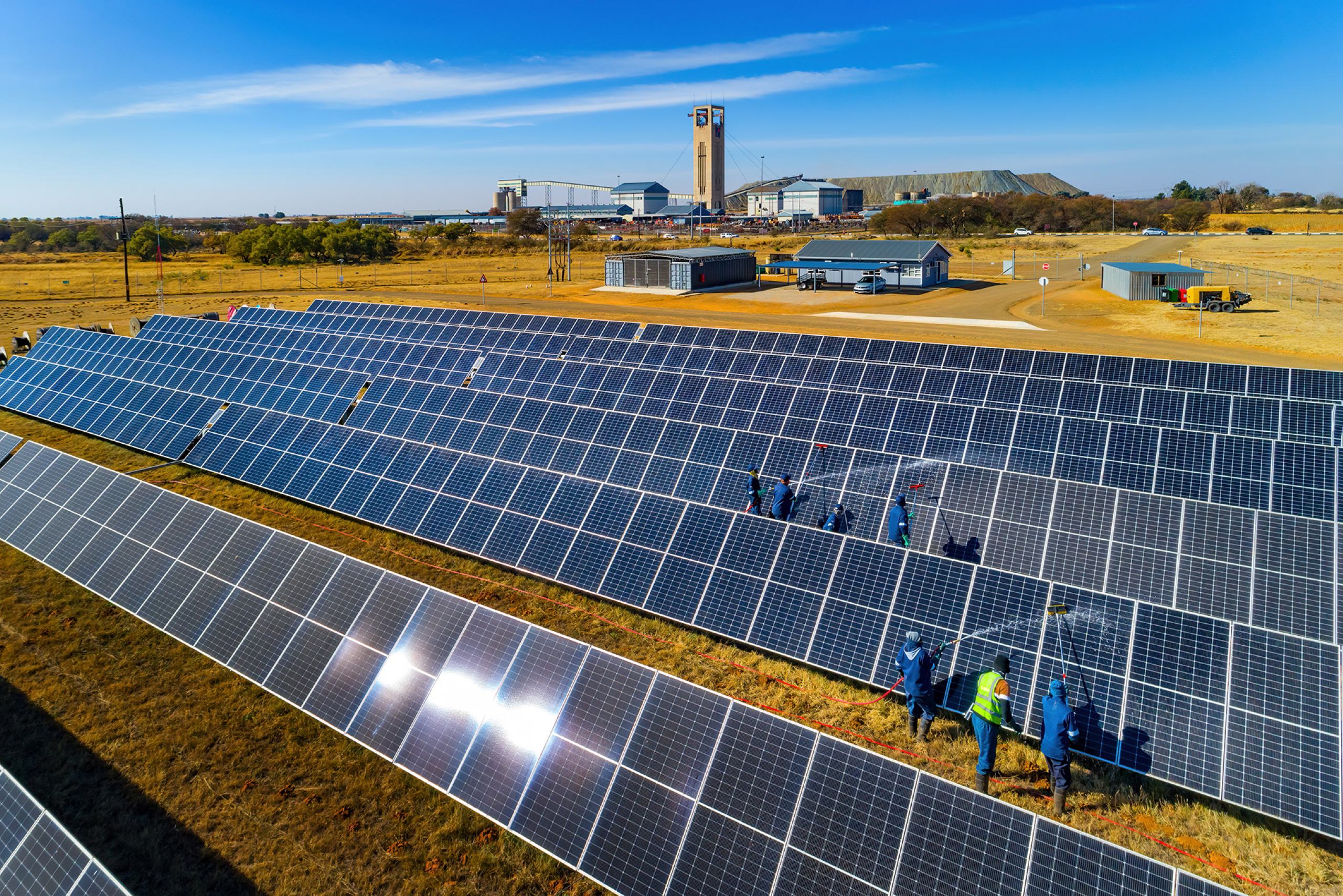
Phase 1 of Harmony’s 30 MW Sungazer project was commissioned at our Free State operations, Tshepong, Nyala, and Eland operations, in August 2023.
Sungazer 1 and small-scale solar PV plants successfully generated 64.3GWh of energy in FY25.
Enhancing energy planning and reliability while expanding renewable energy solutions
Harmony’s integrated energy management strategy (IEMS), aligned with ISO 50001, guides site-level energy planning and performance improvement across our operations. The framework supports scalable, structured energy governance and informs long-term planning, including interventions such as ventilation optimisation, compressed air management, and water pumping upgrades to improve energy efficiency and reduce emissions.
Our renewable energy programme is a key enabler of energy reliability and emissions reduction. We are targeting over 500MW of solar and wind capacity by FY28 across our South African operations, supported by wheeled energy agreements and power purchase arrangements. In Australia, Eva Copper has received environmental approval for a 100MW solar farm and a 65MW battery energy storage system as part of its start-up energy solution, enabling approximately 40% renewable penetration. Pathways to further reduce emissions include either connection to CopperString 2032 or the addition of wind energy to the on-site energy portfolio.
Receiving contracted rates for grid-sourced power remains a challenge and a priority in Papua New Guinea, to maximise the proportion of hydro-generated power we receive.
Renewable energy roll-out plan
| Sungazer 1 | Sungazer 2 | Sungazer 3A | Sungazer 3B | Sungazer 4 | Wheeled wind | Short-term PPA | |
|---|---|---|---|---|---|---|---|
| FY24 | FY27 | FY28 | FY29 | FY28 | FY28 | FY27 | |
| Installed capacity (MW) | 30 | 100 | 75 | 33 | 100 | 260 | 200 |
| Energy generated (GWh/a) | 70 | 230 | 177 | 76 | 230 | 900 | 500 |
| Scope 2 reduction1 (ktCO2e/a) | 49 | 163 | 122 | 53 | 163 | 424 | 326 |
1 Based on FY24 Eskom grid-intensity emission factor.
Explore related Case studies
Further information
Additional performance-related discussions and data may be found in these publications.